

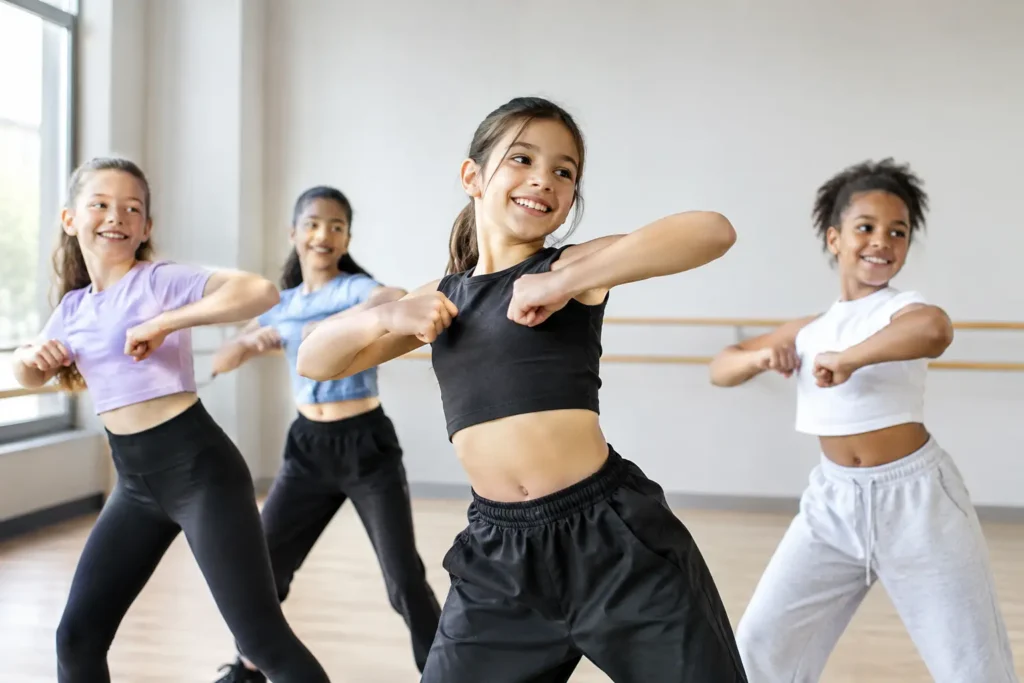
A young person who walks into the studio quietly and leaves smiling after learning a few steps has already gained more than a dance move. Youth dance classes Ottawa families choose should make room for that kind of progress: real instruction, encouraging feedback, and the freedom to be a beginner without feeling out of place.
Dance gives children and teens a positive outlet for energy and creativity, but its benefits reach far beyond the music. They learn how to listen, work with others, recover from a missed step, and keep trying until a pattern feels natural. Those are skills that travel with them to school, sports, social settings, and life.
Why youth dance classes in Ottawa are about more than steps
Many parents first look for dance lessons because their child enjoys music or needs an active after-school activity. Both are excellent reasons to start. Yet partner dance offers a particularly valuable balance of movement, structure, and social connection.
In a supportive class, young dancers learn posture, rhythm, coordination, and awareness of the people around them. They also learn dance etiquette: how to invite someone to dance, how to take turns, how to give a partner space, and how to respond respectfully. For a child who is naturally outgoing, that structure channels confidence into good habits. For a child who is shy, it provides a comfortable, guided way to connect.
Progress is not reserved for the child who has danced before. Some students catch on quickly to the beat. Others need more time to coordinate their feet and remember a pattern. Both can succeed when instruction is broken into clear, manageable steps and instructors celebrate improvement rather than perfection.
The confidence that grows one lesson at a time
Confidence on a dance floor rarely arrives as one big, dramatic moment. It builds when a student remembers a sequence, hears the music more clearly, or realizes they can dance with a new partner. Each small success changes the way they carry themselves.
That is especially meaningful during the years when young people are figuring out where they belong. Dance creates an environment where effort is visible and progress is tangible. A student does not have to be the loudest person in the room to participate fully. They simply need a welcoming place to learn.
At Arthur Murray Ottawa Dance Studio, youth instruction follows a personalized, step-by-step approach led by certified instructors. Students can develop solid fundamentals while still enjoying the excitement of learning dances they can actually use at school events, family celebrations, community gatherings, and social occasions.
Social skills without the pressure
Parents sometimes worry that partner dancing will feel awkward for their child. That is understandable, particularly for students who have not had much experience in group activities. The right learning environment removes that pressure by making respect, encouragement, and clear instruction part of every lesson.
Young dancers do not need to arrive with a friend or a dance partner. They learn how partner roles work, practice appropriate connection and spacing, and rotate or work with others in a structured setting when appropriate. The goal is never to force a child to perform socially. It is to help them become more comfortable at their own pace.
Over time, students often become better at introducing themselves, collaborating, and navigating unfamiliar situations. Those changes can be just as rewarding as mastering a turn or a new rhythm.
What young dancers can learn
A well-rounded youth program can introduce dancers to a range of styles, including ballroom, Latin, club, Caribbean, western, and country dances. This variety matters because every student responds to music differently. One may love the energy of Latin rhythms, while another feels at home with the smooth movement and teamwork of ballroom dance.
The specific dances offered should fit the student’s interests, experience, and goals. Beginners benefit from learning timing, basic patterns, posture, and simple partner communication before tackling more complex routines. Students who already have experience may want to refine technique, expand their repertoire, prepare for performances, or explore competitive training.
There is a trade-off worth considering. A broad introduction to several styles keeps lessons exciting and helps young dancers discover what they enjoy. Concentrating on one style can build depth and faster technical progress. Neither approach is automatically better. The best choice depends on whether a student is looking for a fun social activity, a creative challenge, or a more focused performance goal.
Fitness that feels like fun
Dance is active, but it does not feel like a typical workout. Students are moving with purpose, responding to music, and concentrating on the next step. As a result, they build coordination, balance, stamina, and body awareness while having a genuinely enjoyable time.
For young people who do not connect with traditional team sports, dance can be an especially meaningful option. There is still teamwork and discipline, but there is also room for individual expression. Students can improve their skills without having to measure every experience by a scoreboard.
How parents can choose the right youth dance program
The best program is not necessarily the one with the flashiest performance video or the longest list of styles. Start with the teaching environment. Are instructors trained to work with beginners? Do they explain skills in a way young people can understand? Does the program make students feel noticed and encouraged?
Ask how lessons are structured and how instructors adapt when a student learns differently. A child who needs repetition should not feel rushed. A child who is ready for more challenge should have a path to grow. Personalized instruction helps students stay engaged because their lessons feel achievable, not overwhelming.
It also helps to think about the outcome your family wants. If the goal is confidence at dances and social events, focus on practical partner-dance skills and a relaxed learning experience. If your child is drawn to the discipline of performance, ask about opportunities to develop technique and work toward larger goals. If they are simply curious, a first lesson is a low-pressure way to see what sparks their interest.
Comfort matters, too. Young dancers should wear clothing that allows them to move easily and shoes that feel secure. They do not need an elaborate outfit to begin. What they need most is a willingness to try, make a few mistakes, and have fun learning.
A skill they can use for years
Unlike activities that end when a season closes, dance is a skill young people can return to throughout their lives. They may use it at a school formal, a graduation party, a wedding, a family celebration, or a future night out with friends. They carry the music, manners, and confidence with them.
That long-term value is one reason dance can become such a meaningful gift for a child or teen. It is not only an hour of activity each week. It is an opportunity to feel capable in settings that might otherwise feel intimidating, while building a healthy relationship with movement and community.
If your young person has been tapping their foot at home, watching dancers with interest, or wishing they felt less nervous in social situations, let that curiosity lead somewhere positive. A first dance lesson can be the beginning of stronger posture, new friendships, and the simple joy of hearing a favorite song and knowing exactly what to do next.