

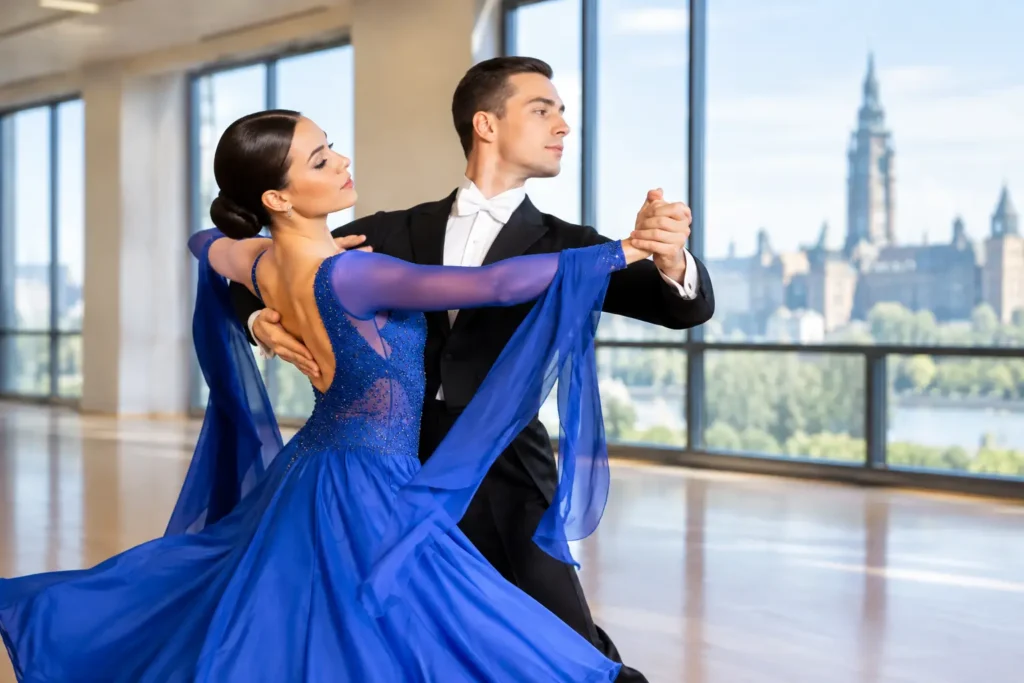
The first time you step onto a competition floor, the music can feel louder, the room can feel bigger, and every practiced step suddenly matters. That is exactly why competitive ballroom dance training Ottawa students choose should be personal, structured, and encouraging from the very first lesson. Competition is not reserved for lifelong dancers or naturally fearless performers. With clear coaching and consistent practice, it can become an exciting goal for adults at many experience levels.
At Arthur Murray Ottawa Dance Studio, competitive training is built around more than learning a routine. It is about developing the technique, partnership, confidence, and performance skills that help you enjoy the preparation as much as the event itself.
What Competitive Ballroom Training Really Builds
A dance competition gives your lessons a powerful sense of direction. Rather than simply collecting new figures, you begin to understand how posture affects your movement, how timing creates a stronger connection with the music, and how your partnership communicates without words.
For some dancers, competition is a personal milestone: a reason to become more comfortable being seen, move with greater confidence, or commit to a goal that is entirely their own. For couples, it can be a shared project that brings focus and fresh energy to the relationship. Many students also find that preparing for an event makes social dancing more enjoyable because they feel more capable at parties, weddings, and community gatherings.
Competitive ballroom dance is not one single look or one fixed path. You may be drawn to the elegant rise and fall of Waltz and Foxtrot, the speed and character of Cha Cha and Rumba, or the lively energy of Swing. Your program can reflect the dances you love while giving you the technical foundation to perform them well.
Competitive Ballroom Dance Training in Ottawa: Start at Your Level
You do not need competition experience to start training for one. You also do not need to arrive with a partner. Singles and couples can train, and a certified instructor can help you establish the fundamentals before introducing the details that make a competitive performance feel polished.
The right starting point depends on your current experience and your goal. A newer dancer may begin with basic foot placement, rhythm, frame, and lead or follow skills. An experienced social dancer may already know patterns but want cleaner timing, more control, stronger expression, or better floorcraft. Neither path is better. They simply require different priorities.
Private lessons are especially valuable because feedback is immediate and specific. A small adjustment in posture, connection, or weight transfer can change the way a dance feels. Instead of trying to copy what you see across a crowded group class, you receive instruction adapted to your body, pace, and ambitions.
Group classes and studio practice sessions also have a meaningful place in the process. They build comfort dancing around others, expose you to different music and patterns, and create a supportive sense of community. The strongest programs usually blend individual coaching with opportunities to practice, socialize, and apply what you are learning.
Technique Comes Before Flash
A memorable performance does not need to be packed with difficult tricks or complicated choreography. Judges and audiences respond to movement that looks confident, musical, and connected. That starts with the fundamentals: balanced posture, clear footwork, controlled body action, appropriate styling, and a reliable connection between partners.
This can be a helpful reality check for dancers who want fast results. Learning advanced material is exciting, but it is rarely the quickest route to looking polished. Spending time on a small number of well-executed figures often produces a more impressive result than rushing through a long routine. Your instructor can help you decide when to add complexity and when to refine what you already know.
Performance Is a Skill You Can Practice
Many people love dancing in lessons but feel nervous about performing. That is normal. Competitive training gives you practical ways to work with those nerves instead of waiting for them to disappear.
You may practice entering the floor with intention, finding your starting position, staying connected to your partner after a missed step, and finishing with confidence. You learn that a performance is not ruined by one imperfect moment. What matters is your ability to keep moving, stay with the music, and project enjoyment.
This is one reason studio events can be so valuable. They offer a welcoming bridge between private lessons and a larger competition. Each time you dance in front of others, the experience becomes more familiar. Confidence grows through repetition, not pressure.
How a Training Plan Takes Shape
Competitive preparation works best when it is organized around a realistic event date and a clear purpose. Some dancers are preparing for their first showcase or local competition. Others want to enter multiple events during the year and track their growth over time. Your training schedule should fit your availability, budget, and desired level of participation.
A thoughtful plan usually begins by selecting the dances and categories that suit your goals. From there, your instructor can help organize the work into manageable stages: establish technique, build and rehearse material, improve presentation, and prepare for the practical details of the event.
In the weeks leading up to a competition, practice becomes more focused. You may run dances back-to-back to build stamina, work on responding to unfamiliar music, and rehearse your entrance and ending. Video review can also help dancers see improvements that are difficult to feel in the moment, while revealing details to address before event day.
There are trade-offs. Training for a competition takes consistency, and dancers need to make room for lessons and practice. A larger number of dances may create more opportunities to perform, but it also means more material to retain and refine. A good instructor will help you choose a plan that feels motivating rather than overwhelming.
What to Look for in a Dance Studio
A competitive program should feel ambitious without feeling intimidating. Look for instructors who can explain not just what to do, but why a technique matters. Clear instruction makes progress less mysterious and gives you useful tools between lessons.
It also helps to choose a studio where competitive goals are supported within a broader dance community. You should have room to pursue performance while still enjoying parties, social dancing, and the friendships that come with being part of an active studio. Competitive training can be serious in its preparation and joyful in its atmosphere.
Ask how your training can be personalized, what practice opportunities are available, and how the studio helps students prepare for events. You want a path that respects your starting point and celebrates measurable growth, whether that means stepping onto the floor for the first time or returning with more advanced goals.
Your First Competition Does Not Have to Feel Far Away
The biggest barrier is often the story people tell themselves before they begin: “I am not ready,” “I need more talent,” or “I will start once I feel confident.” In reality, confidence is built through the same process as every other dance skill – one lesson, one correction, one successful run-through at a time.
A trial lesson is a simple place to begin. Share what excites you, whether it is Latin energy, classic ballroom elegance, a personal challenge, or the idea of doing something extraordinary with your partner. From there, a certified instructor can help turn that interest into a practical plan.
The competition floor rewards preparation, but it also rewards courage. Start with a goal that feels meaningful, give yourself permission to learn in public, and let every lesson move you one step closer to the dancer you want to become.