

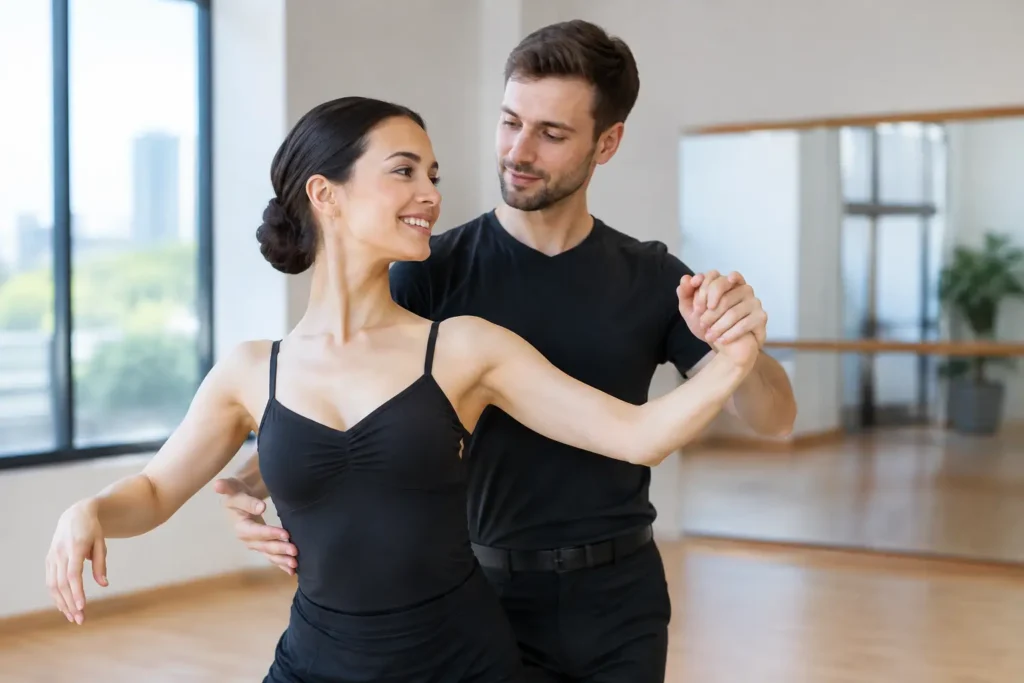
The next time the music starts at a wedding, party, or night out, you do not have to be the person hoping no one asks you to dance. Private dance lessons Ottawa students choose offer something far more useful than a few memorized steps: personal attention, a comfortable place to begin, and a clear path toward feeling at home on the dance floor.
For some people, that path starts with a first dance. For others, it is finally learning how to lead or follow without overthinking every count. You may want a new shared hobby, a fun way to meet people, or technique that supports a competitive goal. A private lesson meets you where you are, then helps you move forward one achievable step at a time.
Why private instruction feels different
Group classes can be lively, social, and motivating. They are also designed around the pace of a room. In a private lesson, the focus stays on your goals, your learning style, and the dances you actually want to use.
That changes the experience quickly. If rhythm feels like the hard part, your instructor can slow down and make it clear. If you already know basic patterns but feel awkward connecting them, the lesson can focus on transitions, posture, and confidence. If one partner learns faster than the other, neither person has to feel left behind.
Private instruction is especially valuable because partner dancing is not just a sequence of foot positions. It includes timing, communication, balance, musicality, and the small adjustments that make dancing feel comfortable with another person. Personalized feedback helps those details click sooner.
At Arthur Murray Ottawa Dance Studio, certified instructors use a step-by-step teaching approach that adapts to each student’s pace. That means beginners can start without feeling rushed, while experienced dancers can work toward sharper technique, styling, performance, or competitive preparation.
Private dance lessons in Ottawa for real-life goals
The best program is not necessarily the one with the longest list of dances. It is the one that connects your lessons to the moments you care about. Before your first lesson, think about where you hope dancing will take you in the next few months.
Feel comfortable at social events
Many adults begin because they want to stop sitting out. Social dancing can mean weddings, holiday parties, charity events, dinner dances, cruises, local studio parties, or a spontaneous song at home. For this goal, your lessons may center on practical dances that work with a range of music, along with the confidence to ask someone to dance or accept an invitation.
You do not need to become an expert before you enjoy yourself. A few reliable patterns, comfortable timing, and good floor awareness can make a social dance floor feel much less intimidating.
Create a first dance that feels like you
Wedding dance preparation does not have to mean an elaborate routine. Some couples want a polished, simple first dance that lets them stay present with each other. Others want choreography with a memorable entrance, turns, dips, or a surprise moment for guests. Both are valid.
Private lessons give you room to choose a dance that fits your song, attire, venue, and timeline. A flowing ballad may call for a smooth, romantic style, while an upbeat song may suit swing, salsa, or a custom mix. If parents or the wedding party are joining the fun, they can learn as well.
The trade-off is time. More detailed choreography needs more practice and more lead time. Starting early gives you choices, but even a shorter timeline can produce a confident, meaningful result when the plan is focused.
Build a hobby you can keep growing
Dance rewards consistency. Once the basics feel natural, there is always another layer to explore: new rhythms, cleaner turns, better connection, expressive styling, or more confidence dancing with different partners. Private lessons can support ballroom, Latin, club, Caribbean, western, and country styles, so your program can evolve with your interests.
This is also where lessons become a lifestyle rather than a one-time goal. Studio practice sessions, social events, showcases, and competitions can add community and motivation. Participation is personal. Some students love performing or competing; others simply enjoy having a regular date night and a skill they can use anywhere music is playing.
No partner? No problem
One of the biggest reasons people postpone dancing is the belief that they need to arrive with a partner. You do not. Singles are welcome, and a professional instructor can dance with you during your lesson while teaching the role you want to learn.
Couples are equally welcome, whether you are dating, married, engaged, or friends trying something new together. Learning as a couple can be rewarding, but it also asks for patience. People often process movement differently, and a good instructor keeps the lesson encouraging rather than letting one person become the critic.
If you are coming alone, private instruction can be an especially supportive way to start. You can ask questions freely, develop comfort at your own pace, and later enjoy opportunities to use your new skills in a social setting.
What happens in a first private lesson?
A first lesson is not a test. You do not need dance shoes, prior experience, or a vocabulary of dance terms. Wear clothes that let you move comfortably and shoes that stay securely on your feet. Smooth-soled shoes are often helpful, but the right choice depends on the dance and the floor.
Your instructor will start by learning what brought you in. Are you preparing for a wedding? Looking for confidence at parties? Interested in a particular style? From there, you will begin with easy movement, rhythm, and foundational patterns suited to your goal.
Expect to move, laugh, and occasionally feel challenged in a good way. Most beginners discover that the first hurdle is not athletic ability. It is giving themselves permission to be new at something. A patient instructor breaks the skill into manageable pieces, so progress feels possible from the very first session.
How often should you take lessons?
There is no single answer because progress depends on your goal, schedule, practice time, and desired level of polish. A couple preparing for a wedding in several months may benefit from steady weekly lessons with short practice sessions at home. Someone getting ready for an event next month may choose a more concentrated schedule. A social or competitive dancer may continue with a longer-term program that balances private coaching, practice, and group learning.
The most effective schedule is one you can maintain. It is better to take lessons consistently and practice a little between them than to cram a great deal of information into one week and forget it before the next lesson. Your instructor can help set a realistic plan based on your date, dance goals, and availability.
Choosing the right Ottawa dance studio
When comparing private dance lessons, look beyond the number of styles listed on a website. Ask whether the instructors are trained to teach beginners, whether the program is tailored to your goals, and whether the studio offers a welcoming path beyond the first lesson. A clear teaching system matters because it gives you a way to measure progress without taking the joy out of learning.
Atmosphere matters too. The right studio should feel polished but relaxed, celebratory but never pressuring. You should be able to say, “I have never danced before,” and hear that you are in exactly the right place.
Ottawa has a long tradition of social gatherings, cultural events, weddings, and live music. Learning to dance gives you a practical way to participate more fully in all of it. It can be fitness, connection, creativity, and a confidence boost in the same hour.
Book a trial lesson when you are ready to see what dancing feels like rather than simply imagining it. The first step is not perfect timing or fancy footwork. It is choosing to say yes when the music begins.