

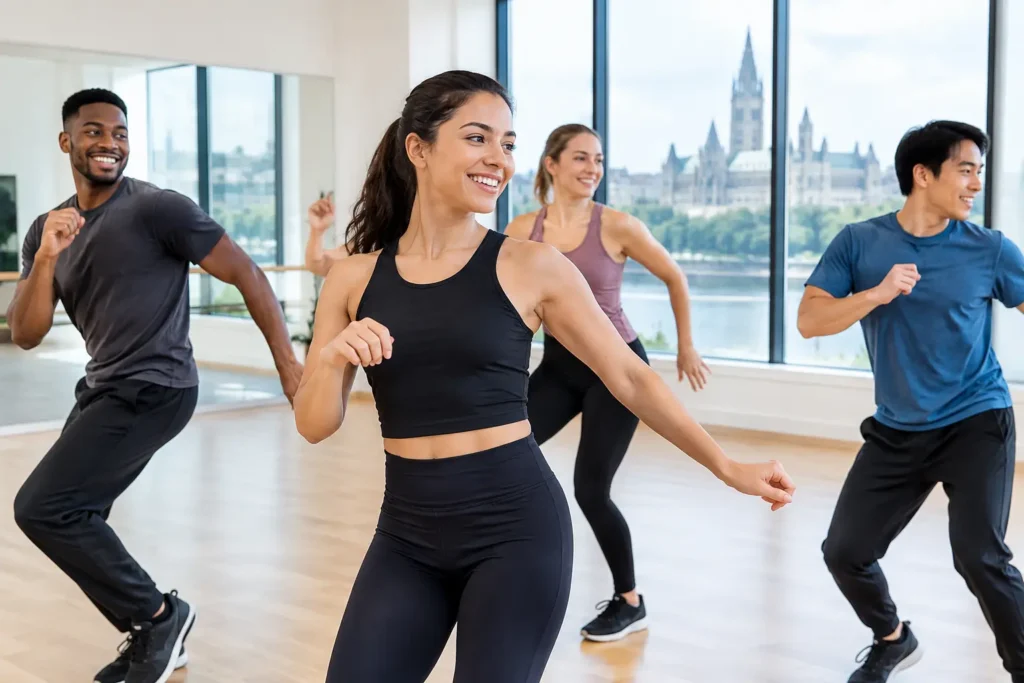
The next wedding, party, gala, or night out does not have to come with that familiar moment of watching the dance floor from the sidelines. Beginner dance classes Ottawa adults choose are not about arriving with perfect rhythm or prior experience. They are about learning a few useful steps, getting comfortable moving with music, and realizing that dancing can feel far more natural than you expected.
At Arthur Murray Ottawa Dance Studio, beginners are welcomed every day, whether they arrive solo, with a spouse, with a wedding date in mind, or simply with the feeling that it is time to try something new. No partner is needed. You do not need special shoes, dancewear, or a background in music. You just need a willingness to take the first step.
What a Great First Dance Lesson Feels Like
Many people expect a first lesson to be intimidating. They picture complicated patterns, a room full of advanced dancers, or an instructor counting faster than they can follow. A well-designed beginner experience looks very different.
Your instructor starts by learning about you. Are you preparing for a first dance? Would you like to feel more relaxed at social events? Are you looking for a date-night activity, a new fitness outlet, or a skill you can enjoy for years? Those answers help shape the lesson around your goals instead of placing you in a one-size-fits-all routine.
From there, the focus is simple: posture, timing, connection, and a few comfortable movements you can repeat. You may begin with a smooth social dance such as Foxtrot or Rumba, an upbeat style such as Swing or Salsa, or a country dance that fits the music and events you enjoy. The goal is not to memorize dozens of figures. It is to leave feeling successful and eager to come back.
Private instruction is especially helpful for adults who feel nervous about being watched or worry that they will slow down a group. It gives you room to ask questions, repeat a step, and learn at a pace that feels right. Some students progress quickly, while others prefer more time to make each movement feel familiar. Both approaches work.
Beginner Dance Classes Ottawa Students Can Choose
There is no single “best” dance for every beginner. The right starting point depends on where you want to use your new skill and what kind of music makes you want to move.
If your goal is general social confidence, ballroom and Latin dances provide a practical foundation. Waltz, Foxtrot, Rumba, Cha Cha, and Swing each teach valuable skills such as musical timing, leading or following, and navigating a shared floor. Learning more than one style also helps you feel prepared when the music changes at a wedding, holiday party, or community event.
For couples who want a lively shared hobby, Salsa, Bachata, and other club or Caribbean-inspired dances can bring energy and connection to date night. They are social, expressive, and fun, but they still benefit from clear instruction in timing and partner communication. Starting with the basics makes the music more enjoyable rather than more confusing.
Country and western dancing is a natural fit for those who enjoy country music, casual social settings, and upbeat movement. It can be a great choice for singles and couples alike, particularly if you want steps you can use at local events or on a trip.
Wedding students have a different focus. Some want a polished routine that feels special in photos and video. Others simply want to enter the floor confidently, sway without feeling awkward, and enjoy their song together. Both are valid goals. The best wedding dance plan reflects your timeline, your song, your attire, and how much or how little choreography feels like you.
Why Adults Often Learn Faster Than They Expect
Being a beginner as an adult can feel vulnerable, but adults bring useful strengths to the studio. You know why you are learning. You can connect movements to real occasions in your life. And when instruction is broken into manageable pieces, you can practice with purpose instead of trying to copy what you see online.
The key is learning in the right order. First comes a comfortable frame and basic foot placement. Then you begin to hear the beat and recognize when a step repeats. Once those pieces settle in, turns, variations, and styling become much easier to add.
This is also why a personalized, step-by-step approach matters. A couple may need help coordinating with each other. A single student may want extra practice with rhythm before attending a social dance. Someone preparing for a wedding may need a plan that works around a busy schedule. Certified instructors can adjust the lesson so progress feels achievable, not rushed.
There will be moments when a step feels unfamiliar. That is part of learning, not a sign that you are “bad at dancing.” Most students are surprised by how quickly repetition changes uncertainty into muscle memory. One lesson creates a starting point. Consistent lessons and a little practice create confidence.
What to Wear and How to Prepare
Comfort is more important than looking the part. Wear clothing that allows you to move freely and shoes that stay securely on your feet. Shoes with a smooth enough sole to pivot gently can be useful, but you do not need to buy specialty dance shoes before your first lesson. Avoid footwear that grips the floor heavily or feels unstable.
Come with an open mind and a clear goal if you have one. If you are learning for a wedding, bring your song or tell your instructor the style of celebration you are planning. If you want to dance socially, think about the venues or music you enjoy. These details make the lesson more personal from the beginning.
You do not need to practice beforehand. In fact, trying to teach yourself a complicated routine before you understand the basics can create habits that are harder to change later. Let your first lesson establish a comfortable foundation, then practice the material you have learned between sessions.
Singles, Couples, and the No-Partner Question
One of the biggest barriers to starting is the belief that partner dancing requires a partner at home. It does not. Singles can learn with an instructor and build skills that make future social dancing more enjoyable. Many people begin on their own because they want a new hobby, a confidence boost, or a welcoming activity that gets them out of the house.
Couples do not need to be equally experienced, either. In fact, it is common for one person to be excited and the other to be hesitant. Lessons give both partners a shared structure, a few laughs, and a chance to work toward something together. The person who thinks they have “two left feet” often becomes the most enthusiastic student once the steps begin to click.
Partner dancing is not about forcing someone into a role or trying to perform for a crowd. It is a conversation through movement. Clear instruction helps both people understand how to communicate comfortably, which is why even simple steps can feel so rewarding when they work together.
From First Lesson to a Dance Life You Enjoy
The best reason to begin dancing is not to collect steps. It is to create more moments you can enjoy. A lesson may lead to a confident first dance, regular date nights, new friendships at studio events, better posture, more movement in your week, or a new goal such as a showcase or competition.
Your path can be as relaxed or ambitious as you want. Some students want a handful of social basics for upcoming events. Others discover a long-term passion and enjoy developing technique across ballroom, Latin, club, country, and more. There is room for both.
If you have been waiting until you feel less nervous, start before that feeling disappears. Confidence rarely arrives first. It grows each time you hear the music, take the next step, and realize you belong on the dance floor.