

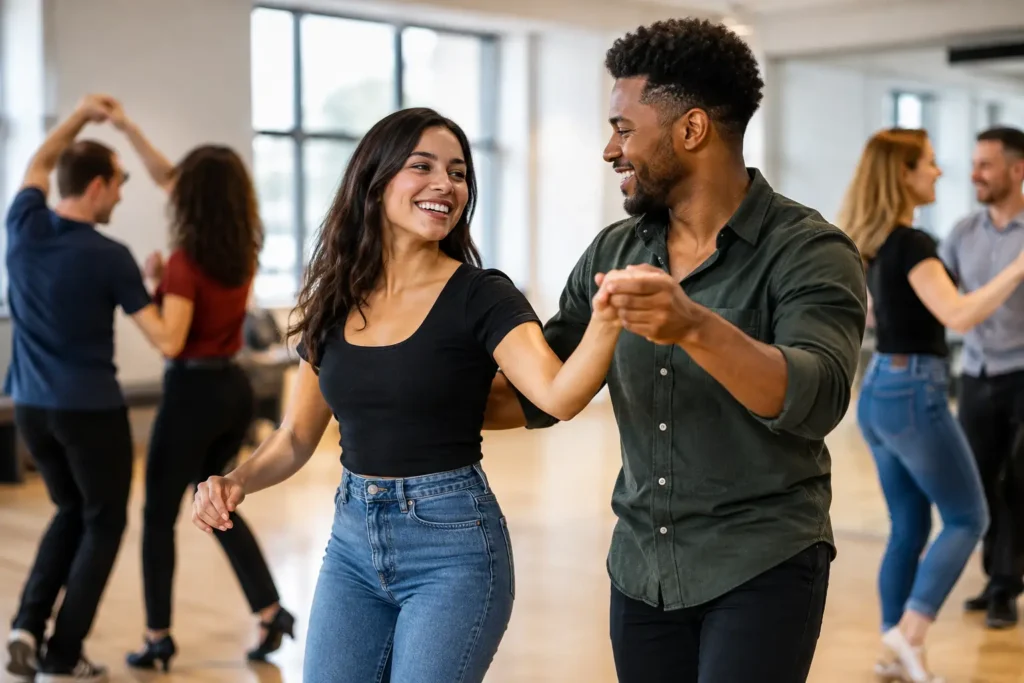
A great song comes on, couples begin moving across the floor, and suddenly the question is not whether you know every step. It is whether you feel comfortable joining in. That is what makes social dance parties Ottawa dancers enjoy so valuable: they give people a place to practice, connect, laugh, and turn a lesson into a real-life skill.
For many adults, the hardest part is simply walking through the door. You may be coming alone, arriving with a partner who has never danced, or returning after years away from the floor. A welcoming dance party is designed to make that first step feel easier. You do not need to be perfect, and you do not need a dance partner to begin.
What Social Dance Parties in Ottawa Are Really Like
A social dance party is not a performance test. It is a relaxed evening built around music, movement, and friendly interaction. Depending on the event, you may hear ballroom classics, Latin rhythms, swing, country music, club favorites, or a mix that keeps the floor lively for dancers with different interests.
Most studio parties have a rhythm of their own. Guests arrive, greet familiar faces, and settle in. A short group lesson may introduce a simple pattern before open dancing begins. Then the music changes throughout the evening, giving everyone a chance to use what they know, try something new, or sit out a song and enjoy the atmosphere.
That structure matters for beginners. Starting with a group lesson gives you an immediate place to put your attention. Instead of worrying about what to do, you can focus on one rhythm, one basic step, and one small success. By the time open dancing starts, the room already feels more familiar.
Why Lessons Make Parties More Fun
You can certainly attend a dance party with no formal experience. Many people do. But a few guided lessons can change the experience from watching at the edge of the floor to genuinely looking forward to the next song.
Partner dancing is a conversation. One person initiates a movement, the other responds, and both dancers stay connected to the music. Private instruction helps you understand that conversation at your own pace. You learn how to hold a comfortable frame, recognize timing, lead or follow clearly, and recover calmly when a step goes sideways.
Those details are not about looking fancy. They are what make dancing feel enjoyable with different partners. When you know the basics of a waltz, rumba, foxtrot, salsa, swing, or country two-step, you have options when the music changes. You also stop relying on memorized routines that only work with one person.
At Arthur Murray Ottawa Dance Studio, certified instructors build skills step by step, so new dancers can develop practical confidence before taking them onto a social floor. For some people, that means learning enough for a friend’s wedding. For others, it becomes a weekly hobby with new dances, new music, and a community that keeps growing.
Social Dance Parties Ottawa Singles Can Enjoy
One of the most common reasons people delay starting is the belief that partner dancing requires a partner. It does not. Singles are part of the social dance experience, and attending on your own can be one of the easiest ways to meet people in a low-pressure setting.
The etiquette is simple. Ask politely, accept a no graciously, thank your partner after the song, and rotate when appropriate. A dance is just a few minutes of shared music, not a lifelong commitment. That short format makes introductions feel natural, even for people who are usually shy in social settings.
If you arrive as a couple, social dancing offers a different benefit. You can share time together without needing to make conversation the whole evening. Learning a new pattern, laughing at a missed turn, and getting through a favorite song together can bring a refreshing kind of connection. Couples can dance exclusively with each other or, if the setting feels right, meet others and rotate partners.
It depends on your comfort level, and there is no wrong choice. The best dance community is one where people respect boundaries while making room for everyone to participate.
How to Feel Comfortable at Your First Party
Wear clothing that lets you move freely and shoes that feel secure. For many newcomers, smooth-soled shoes with a low, stable heel work well. Avoid overly sticky athletic soles if possible, since they can make turning more difficult. You do not need specialized dance shoes for your first event, though dancers often choose them later for comfort and ease of movement.
Arrive a little early. It gives you time to check in, see the room, and meet the instructor or host before the music begins. Let them know it is your first time. A good host can point out the beginner lesson, explain how partner changes work, and help you feel oriented without putting you on the spot.
Set a realistic goal for the evening. Rather than deciding you must dance every song, aim to try the group lesson, dance once or twice, and learn the names of a few people. Confidence grows through repeated positive experiences, not through forcing yourself to do everything at once.
It also helps to remember that experienced dancers were beginners once. Most regulars appreciate someone who is open, courteous, and willing to learn. They are not waiting for you to make a mistake. They are there because dancing is more enjoyable when the floor is full.
From First Steps to a Social Life You Love
The strongest social dancers are rarely the people who know the most complicated patterns. They are the people who can hear the beat, adapt to a partner, and make each dance feel comfortable. Those are teachable skills, and they improve faster when lessons and social events work together.
Private lessons offer personalized coaching. You can focus on the dances you want most, whether that is salsa for a vacation, foxtrot for a gala, country dancing for a night out, or a polished first dance for your wedding. Group classes add repetition and variety, while parties give you the chance to use your skills in the setting they were meant for.
There is a useful trade-off to consider. Learning only through parties can be fun, but it may feel slow because you are trying to figure out timing and technique in the moment. Taking only lessons can build a strong foundation, but you may miss the spontaneity that makes dance such a rewarding social activity. Combining both gives you guidance, practice, and a reason to celebrate your progress.
Make the Next Invitation Easier to Say Yes To
Ottawa offers plenty of reasons to dance: weddings, fundraisers, live music nights, cultural celebrations, milestone birthdays, and ordinary weekends that deserve a little more joy. The goal is not to wait until you feel completely ready. The goal is to build enough comfort that an invitation feels exciting instead of intimidating.
Book a trial lesson if you would like a clear, supportive place to start. Bring your fiancé for a first-dance consultation, invite a friend, or come on your own. With a few basic steps and the willingness to try one song, the dance floor can become a place where you feel right at home.