

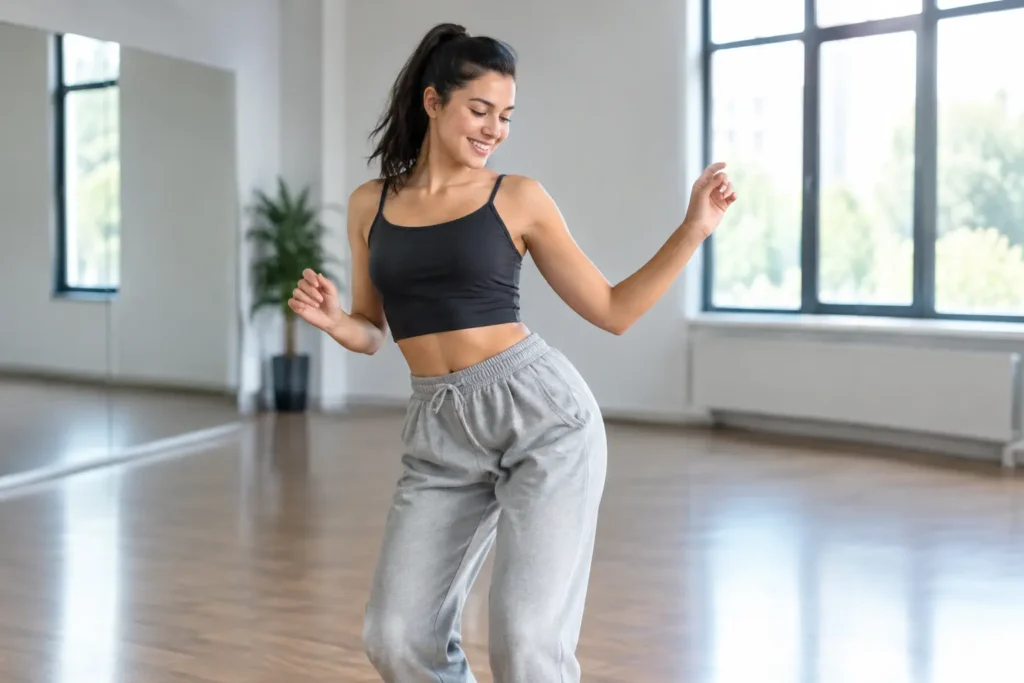
A song comes on at a wedding, a party, or your favorite local venue, and suddenly you wish you knew what to do with your feet. Then the question arrives: do beginners need dance partners before they can learn? The reassuring answer is no. You can begin dancing as a single person, build real skills, and feel more at home on the floor long before you bring someone along.
At Arthur Murray Ottawa Dance Studio, singles and couples start every week. Some students arrive with a spouse or friend. Others come because they want a social hobby, a new form of fitness, better confidence for an upcoming event, or simply the joy of learning something new. What matters most is not whether you arrive with a partner. It is whether you have a comfortable place to start.
Do Beginners Need Dance Partners for Lessons?
No. A dance partner can be wonderful, but it is not a prerequisite for learning partner dance. Certified instructors teach the skills that help a beginner feel capable: posture, timing, foot placement, lead-and-follow awareness, and how to move comfortably with another person.
Private instruction is especially helpful for singles because the lesson is tailored to you. Your instructor can slow things down, repeat a pattern, adjust the amount of challenge, and focus on the dances that match your goals. Maybe you want easy social steps for nights out. Maybe you are preparing to dance at a family celebration. Maybe you have always admired ballroom dancing and are ready to try it for yourself. Your starting point is allowed to be exactly where you are.
You also do not need prior rhythm, special shoes, or a memorized routine. Most new dancers are not looking for perfection. They want to stop sitting out when music starts. Lessons turn that vague goal into clear, manageable progress.
What You Learn Before You Dance With Anyone Else
Partner dancing may look like two people moving as one, but the foundation begins with your own movement. Before a student worries about keeping up with someone else, they can learn to recognize the beat, shift weight with control, and take basic steps without staring at their feet.
That personal foundation makes dancing with a partner easier and more enjoyable. Instead of trying to remember every detail at once, you begin to notice the music and respond with confidence. You learn that a good dance is not about pulling, pushing, or forcing your way through a pattern. It is about communication, balance, and relaxed connection.
For many beginners, this is a relief. They assumed they needed to find a skilled partner before taking a first lesson. In reality, waiting for the “right” person often delays something they could already be enjoying. Starting on your own gives you the chance to develop skills at your pace, without feeling responsible for anyone else’s learning curve.
How Singles Learn Partner Dance
A professional studio is designed to make the experience comfortable. During private lessons, your instructor provides direct guidance while teaching both the individual steps and the partner connection needed for each dance. You can practice leading, following, or gain familiarity with both roles, depending on your goals and program.
Group classes add another valuable layer. They allow students to practice patterns in a friendly social setting, hear helpful reminders, and see that everyone is working through the same beginner questions. Classes can also help you become more adaptable. Different partners move differently, and learning to adjust calmly is part of becoming a confident social dancer.
Studio practice parties are where those new skills start to feel real. They are not performances, and nobody expects a newcomer to know every dance. They are an encouraging place to try a few steps, meet fellow students, enjoy music, and celebrate small wins. The first time you recognize a dance, step onto the floor, and make it through an entire song can feel like a major achievement.
When Bringing a Partner Can Help
If you have a spouse, friend, family member, or fiancé who wants to learn, coming together can be a meaningful shared activity. You will have a familiar person to practice with between lessons, and you can build a fun routine into your week. For engaged couples, lessons can also create a first dance that feels natural, personal, and polished rather than stressful.
Still, bringing a partner comes with a trade-off: people rarely learn at exactly the same pace. One person may pick up the timing quickly while the other needs more repetition. One may love Latin movement while the other prefers smooth ballroom styles or country dancing. A personalized lesson plan helps both people progress, but it also helps to arrive with patience and a sense of humor.
Couples get the best results when they focus on learning together rather than judging each other. The goal is not to correct your partner across the room. Let the instructor do the teaching, and give each other room to improve. Dancing should become one of the few activities in a busy week where you can laugh, connect, and leave feeling more capable than when you arrived.
Choosing the Right Way to Start
Your best first step depends on why you want to dance. A private introductory lesson is often ideal if you feel nervous, have a specific event in mind, or want one-on-one attention. It gives you time to discuss your goals, try a few basic movements, and see how enjoyable dancing can be in a low-pressure setting.
If your goal is to meet people and become comfortable in social settings, combining private lessons with group classes and parties can be a great fit. You receive personalized coaching, then practice using your skills with a wider community. This mix helps turn steps into confidence.
Wedding couples benefit from beginning earlier than they think they need to. Even a simple first dance feels better when you are not counting under your breath or worrying about where to place your hands. Starting well before the wedding lets you learn at a relaxed pace and create a moment that feels like the two of you.
Experienced dancers have a different reason to consider partner availability. If you are training for showcases or competitions, a consistent dance partner may be part of your plan. That is a more specialized goal than learning basic social dance, and a certified instructor can help you understand the path, expectations, and training options. For a beginner, though, a future competition partner is not something you need to solve on day one.
A Few Worries You Can Leave at the Door
Many people hesitate because they think they are too shy, too busy, too uncoordinated, or too old to begin. These worries are common, but none of them disqualifies you from learning. Dance is taught step by step. The point of instruction is not to test what you already know. It is to help you learn what you do not know yet.
You may also worry that attending alone will feel awkward. A welcoming studio community changes that quickly. Most students remember what it was like to take a first lesson, which makes them more likely to offer a smile, encouragement, or a quick “you did great” after class. The room is full of people who chose to try something new.
Wear clothing that lets you move comfortably and shoes that stay secure on your feet. Come ready to ask questions, make a few mistakes, and celebrate the moment a pattern begins to make sense. That is enough preparation for a first lesson.
You do not need to wait for someone to ask you to dance before giving yourself the chance to learn. Book a trial lesson, take that first step onto the floor, and let the confidence come one song at a time.