

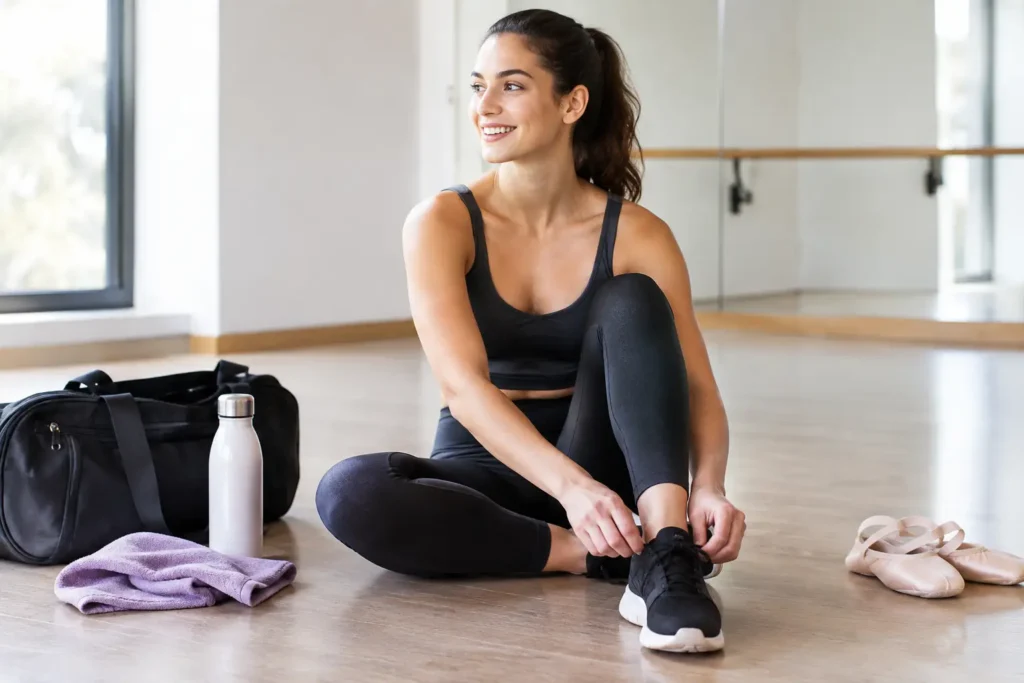
The best outfit for your first lesson is not the fanciest one in your closet. If you are wondering what to wear to dance lessons, think comfort, movement, and shoes that let you feel the floor. You do not need to arrive looking like a competition dancer. You only need to arrive ready to take a few steps, share a laugh, and discover how good dancing can feel.
For many new students, choosing an outfit feels like one more reason to put off trying dance lessons. Let that pressure go. Whether you are coming in solo, with a partner, or for a wedding dance consultation, a practical outfit helps you focus on what matters: building confidence and enjoying the experience.
What to Wear to Dance Lessons for a Great Start
Wear clothing that lets your body move naturally. Partner dancing asks you to take comfortable strides, turn, lift your arms, and occasionally bend your knees. If your outfit restricts any of those motions, it can make learning feel harder than it needs to be.
For most adults, smart-casual clothing is a great place to begin. Think of what you might wear to a relaxed dinner, then choose the more flexible version. Stretch jeans, casual slacks, leggings with a longer top, a breathable dress, a skirt that moves easily, or athletic-inspired pants can all work well. A T-shirt, blouse, polo, button-down shirt, or lightweight sweater is equally appropriate.
The goal is to feel like yourself, just a little freer to move. You do not need specialty dancewear for your first lesson, and you do not need a partner, either. Certified instructors can help you learn at your pace while you settle into the basics.
Prioritize comfort over a perfect look
A fitted outfit can help you see your posture and movement, but it should never feel tight or distracting. Very loose layers can also get in the way during turns or make it difficult for an instructor to see your alignment. There is a happy middle ground: clothing that is comfortable, secure, and easy to move in.
Consider the room temperature, too. Dancing can warm you up quickly, especially once the music starts and your confidence grows. Breathable fabrics are helpful, and light layers are a smart choice if you tend to get warm or arrive from chilly Ottawa weather. You can always remove a cardigan or overshirt after the first few dances.
If you are attending after work, there is no need to rush home and change completely. Bring a fresh shirt or top if you like, swap stiff office shoes for a better pair, and you are ready to go.
Choose Dance Lesson Shoes That Support Movement
Shoes matter more than almost any other part of your outfit. They affect how easily you turn, how comfortably you shift weight, and how connected you feel to the floor. The right pair does not have to be expensive or designed specifically for dance. It simply needs to be secure, comfortable, and reasonably easy to move in.
For a first lesson, clean shoes with a low, stable heel and a sole that is not excessively sticky are usually a safe choice. Many students start in dress shoes, flats, loafers, or low-heeled boots with smooth soles. Once you begin dancing regularly, you may decide to invest in dance shoes that match your favorite style and goals.
Avoid arriving in footwear that makes you feel unsteady. Very high heels, loose flip-flops, heavy work boots, and thick athletic shoes can make turning or stepping more difficult. Running shoes are wonderful for a workout, but their grippy rubber soles can catch on a dance floor during a turn. That does not mean you need to cancel a lesson if sneakers are all you have. Wear what is safe and comfortable, then ask your instructor what would work best for the dances you are learning.
Socks, flats, heels, and dance shoes
Socks alone may feel slippery, so they are usually not the best option unless your instructor recommends them for a particular exercise. Flat shoes can be excellent for beginners, provided they stay securely on your feet. If you enjoy heels, start low and stable rather than choosing a dramatic height on day one.
As you continue, dance shoes can make a noticeable difference. Their suede or smooth soles make turns easier, their fit provides support, and they are designed with dance movement in mind. Still, they are an upgrade, not an admission requirement. Your first lesson is about getting started, not buying a new wardrobe.
Match Your Outfit to the Dance and Your Goal
The exact answer to what to wear to dance lessons depends a little on the kind of dancing you plan to learn. A social ballroom or Latin lesson calls for clothes you can move in comfortably. A country lesson may pair naturally with jeans and boots that have smooth, manageable soles. Club dancing often feels right in casual, expressive clothing. For Caribbean-inspired dances, breathable fabrics can be especially welcome.
Your personal goal matters, too. Someone preparing for a wedding may want to practice in clothing that loosely reflects the wedding-day silhouette. If you expect to wear a long dress, a fitted suit, or particular shoes, bring those into a later lesson once you have learned the foundation. Practicing in them early enough lets you adjust the choreography and feel composed when the big moment arrives.
Competitive or performance-focused dancers may eventually need outfits that meet event guidelines or support a particular visual style. That comes later. First, develop balance, timing, connection, and confidence. Great technique looks good in any outfit.
What Not to Wear to Dance Lessons
There are very few hard rules, but a few choices can create avoidable distractions. Leave these for another occasion:
- Clothing so tight that you cannot take a comfortable step, raise your arms, or breathe easily.
- Shoes that slip off, pinch, wobble, or have extremely sticky soles.
- Long, trailing garments that can be stepped on during turns.
- Jewelry or accessories that swing, snag, or make close partner work uncomfortable.
If you are unsure about a specific item, bring an alternative. A simple change of shoes or an extra layer can solve the problem quickly. Instructors are used to helping new dancers find what feels right, and there is no embarrassment in asking.
Dressing for Your Wedding Dance Lesson
Wedding dance lessons deserve a little extra planning, but not a complicated one. For your first appointment, wear comfortable clothes and practical shoes. You will learn more when you can focus on your connection, your music, and the feeling you want to create together.
Once your first dance begins taking shape, practice in shoes with a similar heel height and sole to your wedding shoes. If one partner will wear a full skirt, a suit jacket, or restrictive formalwear, schedule time to rehearse in something comparable. You do not need to bring the actual wedding outfit to every lesson, but a realistic practice run can prevent surprises.
This is also a wonderful opportunity to make the process part of your celebration. Each lesson gives you a chance to step away from seating charts and timelines, connect with one another, and create a memory before the wedding even arrives.
Come as You Are, Then Let the Confidence Grow
At Arthur Murray Ottawa Dance Studio, students arrive in all kinds of outfits: work clothes, casual weekend wear, date-night looks, and comfortable basics. What they have in common is a willingness to try. The room is built for beginners and experienced dancers alike, with personal instruction that meets you where you are.
Do not wait until you own the perfect shoes, lose a certain amount of weight, or feel naturally coordinated. Choose clothes that let you move, wear shoes that help you feel stable, and give yourself permission to be new at something joyful. Your first outfit only has one job: help you walk through the door and take that first step.