

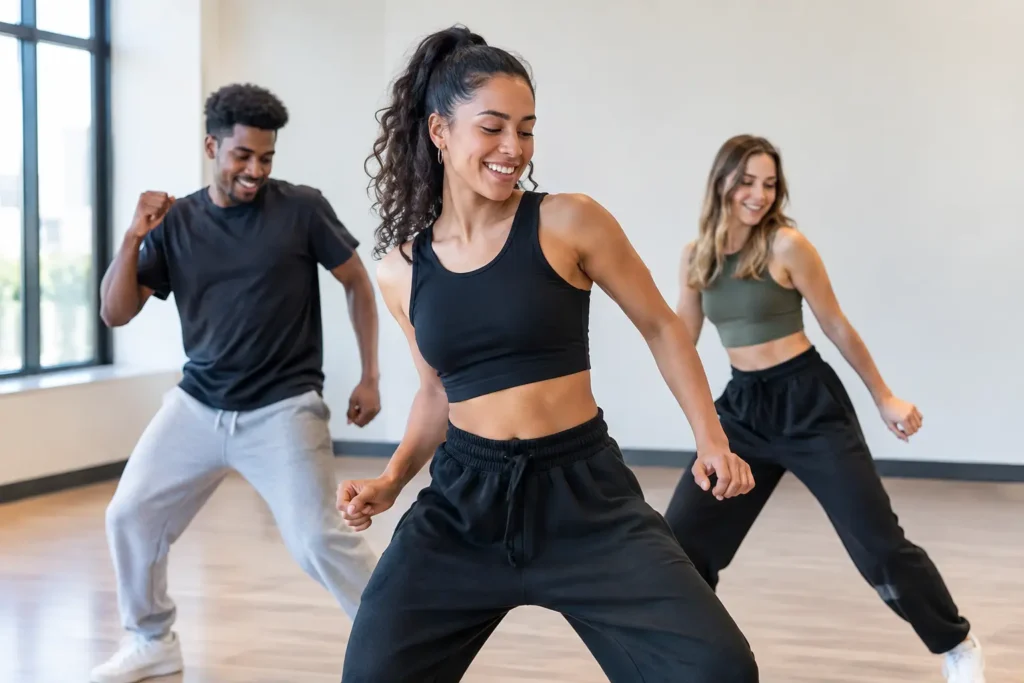
The music starts, the room fills, and suddenly everyone seems to know what to do except you. Club dance lessons replace that familiar freeze with a few reliable moves, a better sense of rhythm, and the confidence to step onto the floor when your favorite song comes on. You do not need a dance partner, previous training, or natural-born swagger to get started.
For many adults, the goal is not to perform a complicated routine. It is to enjoy a night out, dance comfortably with a date or friend, meet new people, and stop feeling like they need to stay seated when the music gets good. The right instruction makes that goal wonderfully achievable.
What Club Dancing Really Means
Club dancing is less about one strict style and more about being ready for the music and social settings you enjoy. Depending on the song, that might mean a relaxed nightclub two-step, Latin-inspired movement, salsa basics, bachata, swing, hustle, or simple partner patterns that work on a crowded floor.
That flexibility is what makes it so useful. A formal ballroom routine has its place, but a packed dance floor calls for practical skills: hearing the beat, moving in a small space, leading or following comfortably, and adapting without panic when the music changes.
The best club dancers rarely look like they are counting. They look relaxed because the foundation is there. They know how to start, how to keep time, how to connect with a partner, and how to recover when a step goes sideways. Those are learned skills, not secret talents.
Why Club Dance Lessons Build Real Confidence
Confidence on the dance floor does not come from memorizing dozens of patterns. It comes from knowing you can handle the next 30 seconds of music. A certified instructor can break that experience into clear, manageable pieces, beginning with posture, timing, and a few movements you can use right away.
Private instruction is especially helpful for beginners who feel self-conscious. You can ask questions, repeat a step as often as needed, and learn at a pace that feels comfortable. Couples can build a shared skill together, while singles can focus on personal confidence without needing to bring anyone along.
There is a practical benefit, too. When you understand how partner connection works, dancing becomes easier with more than one person. You are not trying to force a memorized sequence. You are responding to the music and communicating through simple, clear movement.
That is why a little structure can make social dancing feel much more natural. You are not learning rules for the sake of rules. You are learning enough technique to have fun with freedom.
What You Can Expect in a First Lesson
A first club dance lesson should feel encouraging, not intimidating. Before teaching turns or patterns, an instructor will help you find the beat and get comfortable moving to music. Even people who insist they have “no rhythm” can improve quickly when they are shown what to listen for and how to connect that beat to their feet.
From there, your lesson may include a basic step, how to hold a partner comfortably, and one or two simple ways to change direction. If you are learning solo movement, the focus may be on body rhythm, balance, and easy combinations that feel good rather than overly choreographed.
You will also learn one of the most valuable social dance skills: how to recover. Missing a step is normal. Experienced dancers do it, too. The difference is that they keep moving, return to the rhythm, and continue enjoying the song. A good lesson gives you that same calm response.
At Arthur Murray Ottawa Dance Studio, instruction is built step by step around your goals. If you want to feel ready for a birthday celebration, a vacation, a wedding reception, or Ottawa’s social dance scene, your lessons can focus on the styles and situations that matter most to you.
Choosing the Right Style for Your Night Out
The best style depends on where you want to dance and what music makes you want to move. If you love contemporary Latin music, salsa and bachata can give you an energetic, connected way to dance with a partner. If disco, pop, and throwback playlists are more your speed, hustle offers a lively option with plenty of personality.
For country bars and live bands, country two-step may be the most practical place to start. Swing can be a great fit for upbeat music and social events, while nightclub-style partner dancing gives you versatile tools for slower songs, pop, and a wide range of casual settings.
You do not have to choose perfectly before your first lesson. In fact, many students enjoy trying a few styles before deciding what feels most natural. The trade-off is simple: focusing on one style builds depth faster, while learning several gives you more flexibility across different songs and events. A personalized plan can balance both.
If You Are Coming as a Couple
Learning together can turn a standard date night into a shared accomplishment. You will laugh, encourage each other, and leave with something you can actually use the next time you go out. It is also an enjoyable way to reconnect outside the usual dinner-and-a-movie routine.
Couples do not need to learn at the same speed. One person may pick up timing quickly while the other feels more comfortable with turns or connection. Patient instruction helps each partner progress without turning the experience into a competition.
If You Are Coming on Your Own
Singles are welcome, and no partner is needed. This is often the best choice for someone who wants to build confidence before asking another person to dance at a party or social event. You can develop your own rhythm, movement, and partner-dance skills in a supportive setting.
Social dance also creates a natural way to meet people. The shared activity gives everyone something to talk about, and the atmosphere is far more comfortable than trying to make conversation over loud music without any common ground.
How to Get More from Club Dance Lessons
The secret to progress is not practicing for hours every day. It is showing up consistently and giving yourself small opportunities to use what you learn. Put on a favorite song at home and practice your basic rhythm for one minute. Try a turn once or twice. Notice whether you can stay relaxed while keeping time.
When you go out, set a realistic goal. Your first night might be as simple as dancing through one full song instead of watching from the side. The next time, try changing partners or using one new pattern. Small wins add up quickly because every good experience makes the next invitation feel easier.
Wear shoes that let you move without gripping the floor, and choose clothing that lets you take comfortable steps. You do not need specialized dancewear for a first lesson. Comfort matters more than looking the part.
Most of all, give yourself permission to be a beginner. Social dancing is not an audition. People remember the person who is present, smiling, and enjoying the moment far more than the person trying to look perfect.
A Skill That Travels With You
Club dancing is one of those rare hobbies that keeps rewarding you outside the studio. It can make a wedding reception more memorable, turn a vacation into a better story, add energy to a night out, and give you a reason to say yes when friends invite you somewhere new.
It also grows with you. Start with a basic step and a little confidence. Later, add more styles, sharper technique, or a favorite combination that feels like your own. Whether you want a relaxed social outlet or a new challenge, the floor is waiting. Book a trial lesson, take the first step, and let the music give you somewhere to go.