

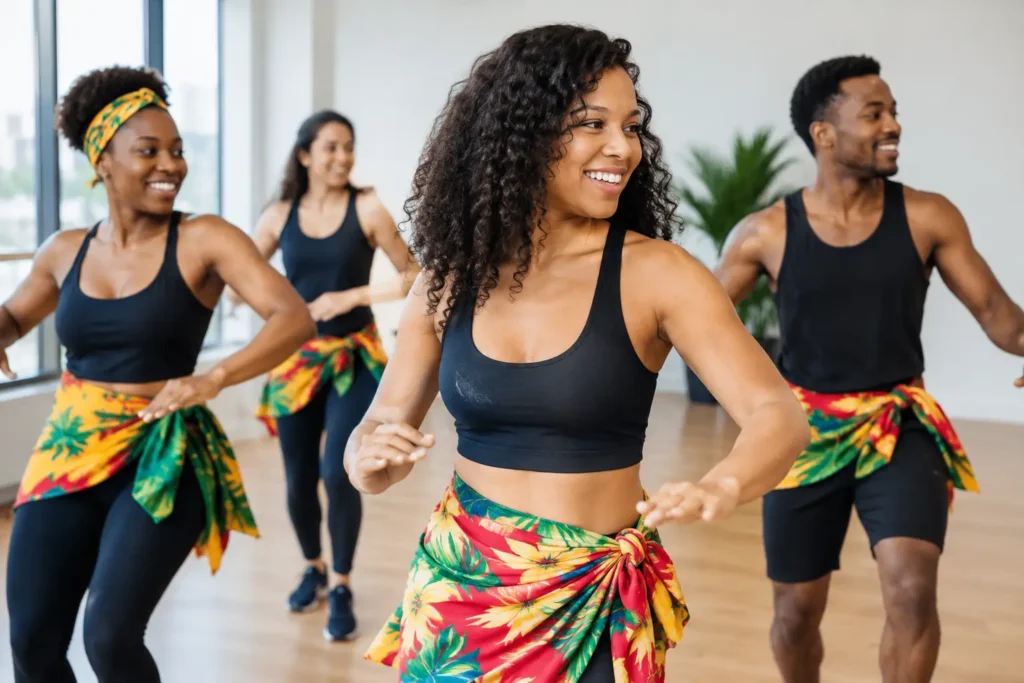
The first time the music starts, most beginners are not worried about perfect footwork. They are wondering where to put their hands, whether they can hear the beat, and if everyone else will notice they are new. Caribbean dance classes are designed to replace that uncertainty with movement you can enjoy, one clear step at a time. The result is more than a few new patterns: it is the confidence to join the floor at a party, a wedding, a night out, or a studio social.
Caribbean dancing brings together upbeat music, expressive rhythm, and the easy connection of partner dance. Whether you come on your own, arrive with a partner, or want a fresh shared hobby, you do not need previous experience to begin. You simply need a willingness to move, laugh a little, and give yourself room to learn.
What Makes Caribbean Dance So Enjoyable?
Caribbean styles have a welcoming energy that makes them especially rewarding for adult beginners. The music gives you something to respond to right away, while the steps can be introduced in small, repeatable pieces. You are not expected to memorize a long routine before you can have fun. A few basic steps can already get you moving comfortably with a partner.
The category includes dances with different histories, tempos, and personalities. Merengue often feels approachable because its basic rhythm is steady and easy to recognize. Bachata has a relaxed, romantic character and invites a closer connection between partners. Salsa can be lively and playful, with turns and patterns that grow as your confidence develops. Cha Cha adds crisp timing and a little sparkle to the floor.
Each style offers something different. If you want an easygoing social dance, you may love merengue or bachata. If you enjoy a more energetic challenge, salsa may become your favorite. Many students enjoy learning more than one because the skills support each other: timing, posture, partnering, and the ability to relax into the music.
Caribbean Dance Classes Build Skills in the Right Order
A good beginner lesson does not begin with complicated turns. It begins with the foundation that makes every future step feel easier: posture, rhythm, balance, and connection. Certified instructors break each element into manageable pieces, then help you put them together at a pace that makes sense for you.
In a private lesson, your instructor can focus on your particular goals. Maybe you want to stop counting out loud and feel the music more naturally. Maybe you are preparing for a vacation, a wedding reception, or regular social events. Perhaps you already know a few moves but want cleaner technique and more confidence leading or following. Personalized coaching makes those goals practical rather than intimidating.
Group classes and studio events add another valuable part of the experience: practice with other people. Partner dancing is a conversation, and learning to adapt to different partners makes your dancing more comfortable and social. For singles, this is also a friendly way to meet people through a shared activity. No partner is needed to get started.
Leading and Following Are Shared Skills
Many newcomers assume the leader has all the pressure and the follower simply reacts. In reality, great partner dancing depends on both people. A leader learns to offer clear, comfortable direction without pulling or forcing. A follower learns to maintain tone, balance, and awareness while responding to the information being offered.
These skills take time, and that is perfectly normal. Early lessons may feel like you are concentrating on several things at once. With repetition, the basics settle into your body. That is when dancing begins to feel less like remembering instructions and more like enjoying a conversation set to music.
What to Expect at Your First Lesson
Your first Caribbean dance lesson should feel welcoming, not like an audition. Wear comfortable clothing that lets you move, and choose shoes that stay securely on your feet. Shoes with a smooth enough sole to pivot gently are helpful, but you do not need specialized dance shoes before your first lesson. Avoid very sticky athletic soles if possible, since they can make turning harder on the knees.
Expect to start with a simple rhythm and a basic step. Your instructor may demonstrate the movement, have you try it on your own, and then show how it works with a partner. You will likely practice changes of direction, basic holds, and a few social patterns. There may be moments when you miss a step. That is part of learning, not a sign that you are behind.
A supportive instructor will adjust the lesson to your comfort level. Some people want a slow, detailed introduction before adding music. Others learn best by moving right away and refining as they go. Both approaches can work. The right pace depends on your confidence, coordination, goals, and how often you plan to practice.
Choosing the Right Style for Your Goal
There is no single best Caribbean dance for everyone. The best starting point is the one that makes you want to come back.
If your priority is feeling comfortable at social gatherings, begin with a style that has a clear, usable basic step. Merengue is often a natural entry point, while bachata gives couples and singles a relaxed, musical way to build partner connection. If you are drawn to fast songs, spins, and an upbeat social scene, salsa can be an exciting next step.
For engaged couples, Caribbean styles can also add personality to wedding dancing. A first dance does not have to be formal ballroom to feel polished and meaningful. A couple who loves Latin or Caribbean music may prefer a smooth bachata-inspired dance, a joyful merengue, or a simple salsa moment that feels like them. The trade-off is that faster music requires more comfort with timing, so it is wise to choose music and choreography that fit your current experience and the space at your venue.
Experienced dancers may be looking for a different outcome: sharper turns, better musical interpretation, improved partnering, or preparation for showcases and competitions. In that case, technique matters just as much as adding new patterns. Strong basics create cleaner movement and make advanced dancing look effortless.
Why Private Instruction Makes a Difference
Videos can introduce a step, but they cannot tell you whether your weight is in the right place, whether your frame is clear, or why a turn feels uncomfortable with a partner. Personal instruction provides immediate feedback before small habits become frustrating patterns.
At Arthur Murray Ottawa Dance Studio, students learn through a step-by-step approach built around their individual goals. That can mean starting with one dance before expanding your repertoire, preparing for a special event, or creating a regular dance routine that supports fitness, friendship, and personal achievement. The studio has served the Ottawa community since 1952, but the first lesson is still about one thing: helping you feel comfortable taking the next step.
Private coaching also makes practice more purposeful. Rather than trying to remember everything from a class, you can leave with one or two specific ideas to work on: keep your steps smaller, listen for the downbeat, maintain a relaxed connection, or complete a turn before starting the next pattern. Those focused improvements add up quickly.
Make Progress Between Lessons Without Pressure
You do not need hours of practice every day. Short, regular repetition is more useful than waiting for a free afternoon that never comes. Put on one or two songs, review your basic step, and let your body get familiar with the rhythm. If you have a partner, practice staying connected without rushing into lots of patterns.
Listening matters, too. As you hear more salsa, bachata, and merengue, the rhythm becomes easier to identify. Try clapping the beat or stepping in place while you listen. This is a low-pressure way to build musical confidence, even when you are not on a dance floor.
Most importantly, give yourself permission to be a beginner. Social dance is not about performing flawlessly for strangers. It is about participating. A missed turn, a laugh, and a reset are all part of a good night of dancing.
Your first lesson can be the start of a new skill, a more connected relationship, or simply a reason to look forward to your week. Choose a song you love, wear shoes you can move in, and take that first step with curiosity. The rhythm will meet you there.