

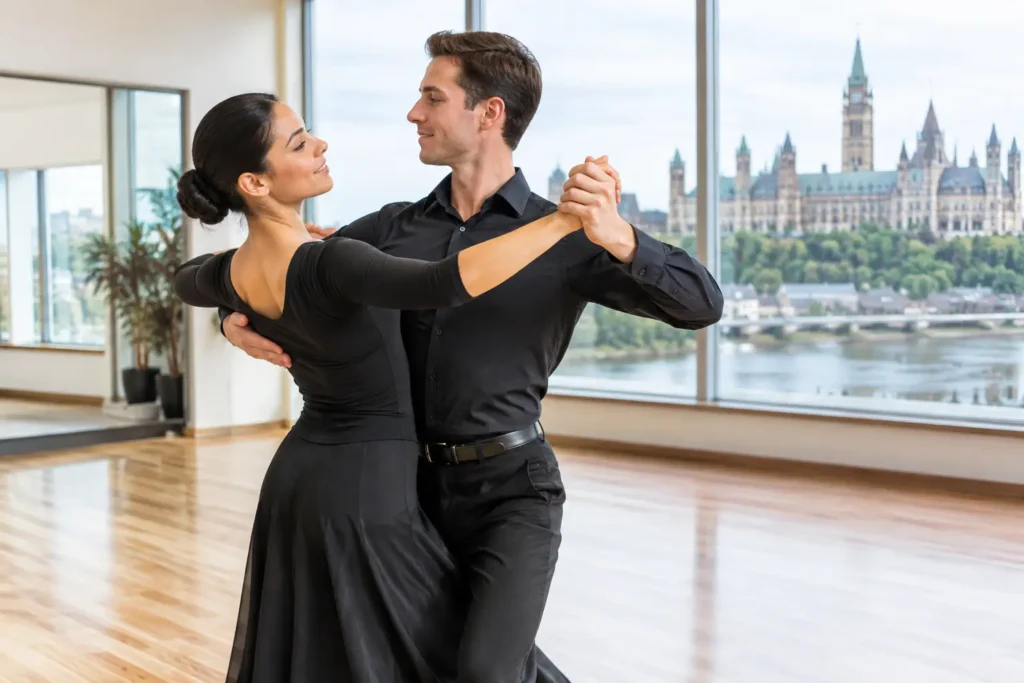
The music starts, someone invites you onto the floor, and suddenly you wish you had one simple move you could do with confidence. That moment is exactly where a beginner ballroom dance lesson guide can help. You do not need natural rhythm, formal attire, or a partner to begin. You need a welcoming place to learn a few useful skills at your own pace.
Ballroom dancing is not reserved for competition stages or people who have been dancing since childhood. It is a practical social skill, a fun way to connect, and a refreshing form of movement that gives adults something to look forward to each week. Whether you are preparing for a wedding, hoping to feel more comfortable at parties, or looking for a hobby you can share with someone special, your first lesson is designed to make the next step feel possible.
What a Beginner Ballroom Dance Lesson Is Really Like
Many first-time students arrive with the same question: “What if I have two left feet?” Certified instructors hear it often, and the answer is reassuring. You will not be expected to perform a complete dance on day one. A good first lesson starts by finding out why you want to dance, what kinds of music you enjoy, and where you picture yourself using the skill.
From there, instruction is broken into manageable pieces. You may begin with posture, how to stand with a partner, and how to recognize the basic beat in a song. Then you will learn a small pattern that feels useful right away. The goal is not to memorize dozens of steps. It is to help you move comfortably enough that dancing starts to feel enjoyable instead of intimidating.
Private instruction can be especially helpful for beginners because it adjusts to you. Some people learn best by seeing a movement first. Others need to repeat it slowly, then try it with music. If you are nervous, recovering from an injury, or simply prefer a little more personal attention, a step-by-step lesson plan gives you room to learn without comparison or pressure.
Beginner Ballroom Dance Lesson Guide: Start With Your Goal
The best dance to learn first depends less on what is most impressive and more on where you want to dance. Your instructor can help you choose a starting point that fits your life.
For weddings and romantic ballads, slow dances such as foxtrot, rumba, or a simple swing variation may be a natural fit. Couples often benefit from learning enough foundation to look relaxed and connected, rather than trying to force a complicated routine into a short preparation window.
For parties, live bands, and social events, swing is popular because it works with upbeat music and has an easygoing feel. Salsa and bachata can be wonderful choices for adults drawn to Latin music, while country western styles suit people who enjoy country venues and energetic partner dancing. If your goal is greater confidence across many situations, starting with a versatile social dance foundation is often the smartest choice.
There is a trade-off worth knowing: learning several dances at once can be exciting, but too much variety can make a brand-new dancer feel scattered. Beginning with one or two styles gives your body time to recognize timing, direction, and partner connection. Once those basics feel familiar, adding more dances becomes much easier.
You Do Not Need a Partner
One of the biggest reasons adults delay lessons is the belief that ballroom dancing requires arriving with a spouse, date, or experienced friend. It does not. Singles are welcome, and learning on your own can be an excellent way to build confidence before inviting someone else to join you.
If you come as a couple, you will learn how to communicate through movement rather than relying on words. That can be funny at first, especially when both partners are trying to lead. With patient instruction, though, couples begin to understand the simple signals that make dancing feel coordinated. The result is not just cleaner steps. It is a shared activity that gets you away from screens and into the same moment.
You also do not need to worry about one partner being “better.” Most couples have different learning styles. One may catch the rhythm quickly while the other remembers patterns more easily. A personalized approach lets each person improve without turning the lesson into a competition.
What to Wear to Your First Lesson
Wear clothing that lets you move comfortably and makes you feel good. For most beginner lessons, neat casual clothes are perfect. Think of an outfit you could wear to a relaxed dinner, then make sure you can take a comfortable step forward, backward, and to the side.
Shoes matter more than a special dance outfit. Avoid heavy boots, flip-flops, or athletic shoes with very sticky rubber soles, since they can make turning harder. A smooth-soled shoe with a secure fit is a good starting choice. You do not need to purchase dance shoes before your first lesson. Your instructor can explain what to look for once you know which styles you enjoy.
Bring water if you like, but do not expect the experience to feel like a workout class. Ballroom dance can certainly raise your heart rate, improve balance, and strengthen coordination, yet the first priority is learning comfortably. As your confidence grows, you may be surprised by how much movement you are getting while having fun.
The Skills That Make Dancing Feel Easier
Beginners often focus on steps, but the most useful early skills are simpler than they sound. Timing means hearing and moving with the beat. Posture helps you stay balanced and makes partnering more comfortable. Connection is the gentle communication between partners that tells each person where to move next.
These skills take repetition, not perfection. You may understand a step in the studio and still forget it when a favorite song comes on at a party. That is normal. Repeating short patterns over several lessons helps the movement become more familiar, so you can spend less time thinking and more time enjoying the music.
Practice at home can help, but it should be brief and positive. Five or ten minutes of reviewing a basic pattern is more valuable than drilling until you are frustrated. If you have a partner, focus on staying relaxed and keeping the rhythm together. If you are learning solo, practice your timing and foot placement in a small clear space.
How Often Should Beginners Take Lessons?
Consistency matters more than intensity. A regular weekly lesson gives you time to absorb new material, try it on your own, and return with questions. If you have a wedding date or special event approaching, you may choose a more focused schedule. The right pace depends on your goal, availability, and how quickly you want to feel ready.
Group classes and studio social events can add another layer of confidence once you have a few basics. They give you a chance to use what you are learning in a relaxed setting, meet other dancers, and see that everyone starts somewhere. Private lessons offer personalized correction; group settings offer repetition and social practice. Many students enjoy a combination of both.
Arthur Murray Ottawa Dance Studio has welcomed local dancers since 1952, helping beginners move from uncertainty to genuine enjoyment through certified, personalized instruction. The first lesson is not a test of talent. It is a conversation about what you want dancing to bring into your life.
Give Yourself Permission to Be New
The early stage of learning ballroom dance can feel awkward because you are doing something unfamiliar in front of another person. That feeling passes faster when you stop treating every missed step as a mistake. A missed step is useful information: slow down, reset, and try again.
Choose a first lesson, wear shoes you can move in, and arrive curious rather than prepared to impress. A few weeks from now, the song that once made you hesitate may be the one that gets you up from your chair.