

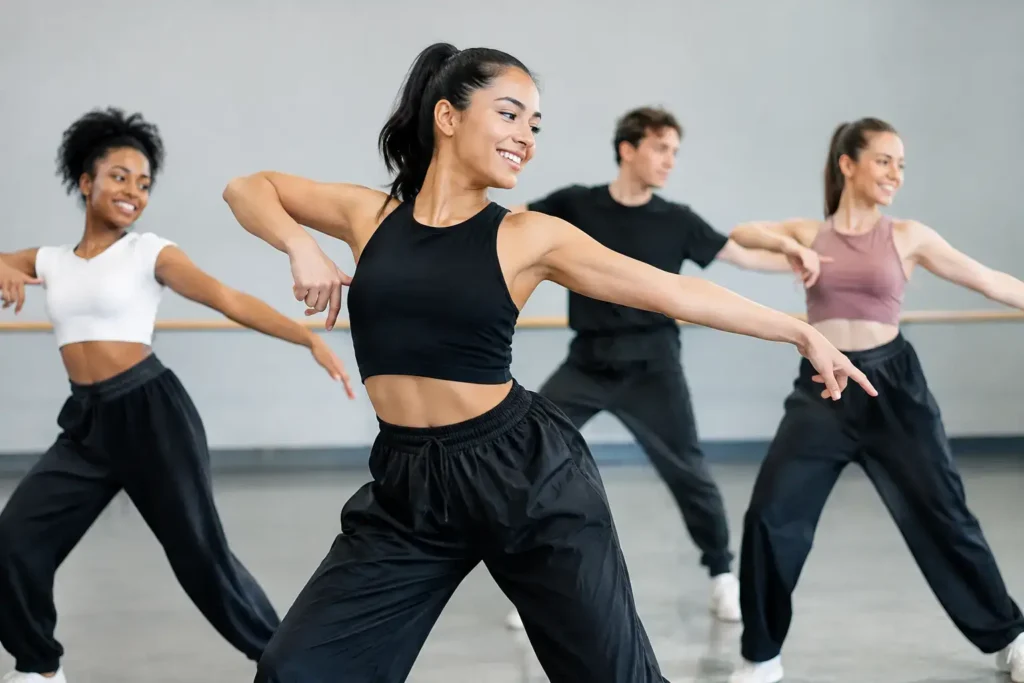
The first time you watch a dance competition, the polished costumes and confident performances can make it seem like everyone started miles ahead. The truth is much more encouraging: dance competitions are built around progress. Many competitors begin as social dancers who simply want a fresh goal, a reason to practice, and the thrill of seeing what they can do on the floor.
For adults learning to dance in Ottawa, competition can be a joyful next step, not a test you have to pass. You do not need to be a lifelong performer, bring your own partner, or wait until you feel perfectly ready. With the right instruction and a plan that suits your pace, competing can turn lessons into a milestone you will remember long after the music stops.
Why Dance Competitions Are Worth Trying
A competition gives your dancing a clear purpose. Instead of practicing a step because it is on the lesson plan, you practice it because you want to feel comfortable leading a turn, completing a graceful line, or staying relaxed through an entire song. That focus often helps students make noticeable progress in a short period of time.
The benefits reach beyond technique. Preparing for an event builds confidence, discipline, and a stronger connection with your instructor and studio community. It also creates an exciting occasion to celebrate the work you have already put in. For many students, the biggest victory is not a placement. It is walking onto the floor, hearing their music begin, and realizing they are capable of far more than they thought.
Competition is also highly adaptable. Some dancers enjoy the friendly challenge of performing several styles, while others want one carefully prepared routine. A couple may compete together, while a single dancer can compete with an instructor. That flexibility is especially helpful for adults who want an individual goal without needing to coordinate schedules with a partner.
What a First Competition Actually Looks Like
First-time dancers are often surprised by how supportive the atmosphere can be. Events bring together dancers at many levels, from newer students to experienced hobby competitors. Categories are typically organized by age, proficiency, style, and whether a dancer is competing with a professional instructor or an amateur partner. You are not expected to step onto the floor beside advanced dancers and match their years of experience.
Depending on the event, you may dance short heats with other couples or perform a prepared spotlight routine. Ballroom and Latin events can include smooth dances such as waltz and foxtrot, rhythm dances such as cha-cha and rumba, or lively options like swing, salsa, and country western. Your instructor can help you select dances that complement your personality, current skills, and goals.
There is a difference between social dancing and competitive dancing, but it is not a reason to be intimidated. Social dance emphasizes comfort, connection, and enjoying the moment with a variety of partners. Competitive training adds attention to timing, posture, foot placement, presentation, and consistency. These skills make you a better social dancer too. The goal is not to remove the fun. It is to give you more freedom to enjoy it.
How to Prepare for Dance Competitions
Start with a goal that feels exciting
Your first goal should be personal and specific. Perhaps you want to perform a rumba without losing the beat, feel poised in a formal setting, or share a memorable experience with your spouse. A clear goal helps your instructor build a program around what matters to you rather than pushing you into someone else’s idea of competition.
Be honest about your schedule and comfort level. A dancer preparing for a wedding, balancing a demanding job, or returning to exercise after time away may need a different timeline than someone who wants intensive training. A good program meets you where you are, then gives you a realistic path forward.
Build technique one piece at a time
The strongest performances are rarely built by cramming more steps into a routine. They come from dependable basics: standing tall, moving on time, maintaining a comfortable connection, and completing each action with intention. Private lessons give you detailed feedback, while group classes help you practice dancing with space, energy, and other people around you.
Practice at home can help, even in brief sessions. Review a few measures of music, walk through foot patterns, or rehearse your entrance and ending. Ten focused minutes can be more useful than an hour of distracted repetition. Ask your instructor what deserves your attention between lessons so you can practice with confidence instead of guessing.
Practice performing, not just dancing
Dancing in a lesson and dancing under event lights can feel different. The music is louder, there are spectators nearby, and nerves may appear at the most inconvenient moment. That is normal. The answer is not to eliminate every nervous feeling. It is to prepare for it.
Studio practice parties, mock rounds, and social events give you a chance to dance in a more active setting before competition day. You can learn how to enter a floor, keep moving if another couple passes close by, and recover calmly if a step does not go exactly as planned. A missed step is rarely as visible to the audience as it feels to the dancer. Keep your posture, reconnect with the music, and continue.
Let presentation support your confidence
Costumes, hair, and makeup are optional details that can be tailored to the event and your comfort level. Some dancers love the sparkle and ceremony. Others feel best in a simple, polished outfit that lets them move easily. The right choice is one that feels secure, appropriate, and true to you.
Shoes deserve special attention. Dance shoes are designed to help you move, turn, and maintain balance more safely than many everyday shoes. Break them in before the event, and never make competition day the first time you wear a new pair. Comfort gives you one less thing to think about when the music begins.
Choosing the Right Event and Training Plan
Not every competition has the same size, format, travel commitment, or budget. Local events can be a comfortable first experience because they require less travel and often include familiar faces from your studio. Larger regional events can offer a bigger audience, more categories, and an exciting weekend atmosphere. Neither is automatically better. It depends on your goals, availability, and interest in the full experience.
Talk openly with your instructor about costs and expectations. Your plan may include lessons, coaching, entry fees, attire, travel, and social events. Knowing the details early lets you make choices comfortably and ensures that your preparation feels motivating rather than stressful.
At Arthur Murray Ottawa Dance Studio, certified instructors help competitive hobby dancers prepare step by step, from selecting appropriate dances to developing confident performance habits. The same personalized approach that helps beginners feel at home on the dance floor can help competitors pursue a goal that once felt out of reach.
Competition Day: Focus on the Moment
Arrive with time to settle in. Check your schedule, warm up gently, drink water, and take a few slow breaths. Avoid trying to correct every detail at the last minute. By this point, your preparation has done its job.
When you step onto the floor, focus on the first action you know well. Feel the music, connect with your partner or instructor, and let your training guide you. Judges look for many things, but your experience is not defined by their marks. You are there to show your progress and enjoy an accomplishment that required courage.
Afterward, celebrate specifically. Maybe your frame stayed strong, you remembered every pattern, or you smiled through a moment that would have rattled you a month earlier. Feedback from your instructor will point to the next area of growth, but give yourself credit before moving on to the next goal.
Your first competition does not have to be flawless to be meaningful. It only has to be yours. If the idea of dancing with more confidence, purpose, and celebration appeals to you, start with a conversation and a first lesson. The floor is waiting, and every accomplished competitor began with one brave step.