

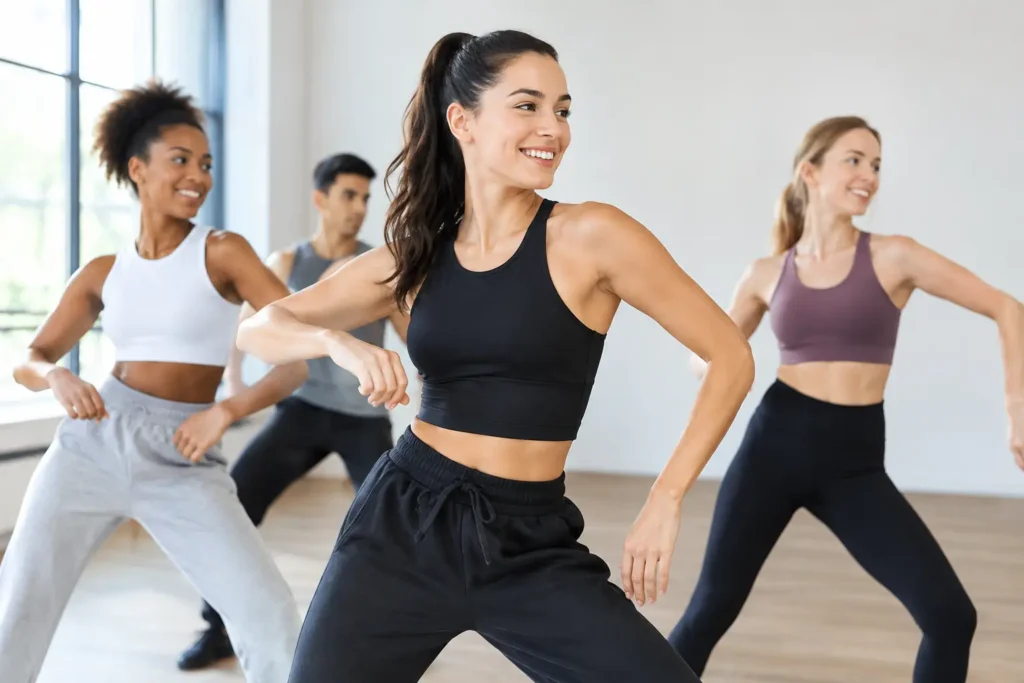
A great song comes on at a wedding, a party, or a favorite local spot, and suddenly the question is not whether you like the music. It is whether you feel comfortable getting up. Dance lessons turn that moment from something to avoid into an opportunity to connect, move, and enjoy yourself.
You do not need a childhood background in dance, natural rhythm, or a partner waiting at home to begin. You only need a reason to try: an upcoming wedding, a more memorable date night, a new social hobby, or the simple wish to feel like yourself on the dance floor. With patient instruction and a plan built around your goals, progress can start much sooner than most people expect.
Dance Lessons Begin With Your Goal
The best first lesson is not about memorizing a long routine. It is about understanding why you want to dance and choosing a starting point that makes sense for your life. Someone preparing for a first dance has different priorities than someone who wants to feel relaxed at social events. A single person looking to meet people may want a different path than an experienced dancer preparing for a competition.
That is why personalized instruction matters. Your instructor can look at your comfort level, musical preferences, schedule, and goals, then introduce steps in an order that feels manageable. You may begin with the social basics of ballroom or Latin dancing, work toward a polished wedding dance, or build technique in a style you already love.
For many beginners, the first win is wonderfully practical: learning how to move to music without counting every beat in your head. From there, you can add turns, patterns, lead-and-follow skills, and the confidence to adapt when the song changes.
No Partner Needed, No Pressure Required
One of the biggest reasons adults put off dancing is the belief that they need to arrive with a partner. They do not. Singles are welcome, and learning with an instructor gives you focused guidance from the start.
Couples benefit, too. Rather than trying to teach each other from online videos or guessing through a crowded dance floor, they can learn a shared skill in a supportive setting. It is a chance to laugh, communicate, and celebrate small breakthroughs together.
Feeling nervous is normal, especially before a first lesson. A good studio does not treat nerves as a problem to fix. It creates a comfortable place to learn one step at a time, where questions are encouraged and mistakes are simply part of the process.
What You Can Learn in Dance Lessons
Partner dancing is not one skill with one look. The right style depends on the music you enjoy and where you hope to use it. Ballroom dances can give you an elegant foundation for weddings, galas, and formal events. Latin styles bring energy and rhythm to songs that invite movement. Club dancing can help you feel ready for a casual night out, while country, western, and Caribbean styles open the door to their own lively social scenes.
You do not have to choose only one style forever. Many dancers begin with a versatile foundation, then discover a favorite as their confidence grows. A smooth ballroom dance may feel right for one couple, while another lights up when they try salsa or swing. The point is not to fit into a label. It is to find movement that feels fun and natural to you.
Private instruction is especially useful when you have a specific goal or want detailed feedback. Group classes and studio social events add another valuable layer: practice with different people, different music, and a real sense of community. The strongest dance education often combines personal coaching with opportunities to use what you learn.
A Better Way to Prepare for Your Wedding Dance
A first dance does not need to be complicated to be memorable. In fact, the most successful wedding dances often look effortless because the couple feels comfortable, connected, and present with each other. That confidence comes from preparation, not from attempting the hardest possible choreography.
Start early if you can, particularly if you want to dance to a specific song or include a few personalized moments. Your instructor can help select movements that suit the song, your attire, your venue, and your personalities. A long dress, a small dance floor, or a song with an unusual tempo can all shape the plan.
Some couples want a simple, graceful dance that feels natural. Others want a surprise section that brings the room to life. Both are valid. The right choice is the one you will enjoy performing in front of the people you love.
Wedding dance lessons can also be a welcome pause from planning decisions. For one hour, the seating chart and vendor emails can wait. You are learning something together that will become part of the celebration itself.
Progress Comes From Small, Repeatable Wins
Adults sometimes assume that talented dancers learn instantly. In reality, confident dancing is usually built through repetition, clear coaching, and the freedom to improve at a personal pace. A certified instructor can break a movement into pieces, help you understand the music, and adjust the lesson when something is not clicking.
At first, you may concentrate on where your feet go. Then your posture becomes easier, your timing settles in, and you begin to notice your partner and the music at the same time. Eventually, the steps stop feeling like a sequence to recall and start feeling like a conversation.
Practice helps, but it does not need to take over your week. A few minutes at home, a favorite song in the kitchen, or regular attendance at a studio event can reinforce what you are learning. Consistency matters more than perfection.
There are trade-offs to consider when choosing a program. If you have a wedding date approaching, focused private lessons may be the most direct route to your goal. If you want a long-term hobby and a wider dance community, mixing instruction with group classes and social dancing may be a better fit. If competition appeals to you, technique, performance quality, and structured training become more central. Your program should meet you where you are while giving you something exciting to work toward.
Why Social Dancing Stays With You
Unlike an event that happens once, dancing is a skill you can carry into many parts of life. It can make a date night feel fresh, give you a reason to get active, introduce you to a welcoming community, and make celebrations more enjoyable. It also asks you to be present. When you are listening to music and moving with another person, the usual distractions have less room to follow you.
For some students, dancing becomes a rewarding creative outlet after work or retirement. For others, it becomes a family tradition, a competitive pursuit, or a way to help a young person develop confidence and social skills. The goal can change over time, and that is part of the joy.
Arthur Murray Ottawa Dance Studio has served local dancers for decades with a step-by-step approach designed for real people, not just experienced performers. Whether you are arriving alone, bringing a partner, planning a wedding, or returning to dance after years away, the first step is simply deciding to give yourself permission to begin.
Book a trial lesson, wear something comfortable, and let the first song be the start of a skill you will be glad you learned.