

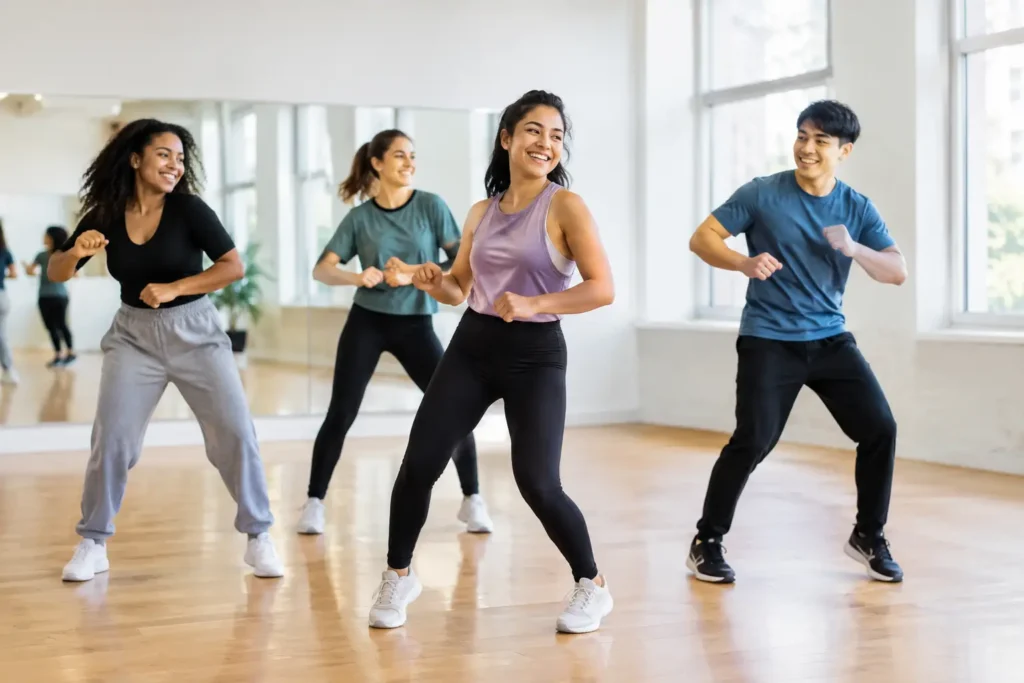
A great first dance is not the one that looks easiest from the sidelines. It is the one that gives you an early win: a song you enjoy, a rhythm you can hear, and a few movements you feel comfortable repeating. If you are asking which dance suits beginners, start with your reason for learning rather than worrying about having natural talent. With step-by-step instruction, adults of every experience level can learn to move with more ease, confidence, and joy.
Which Dance Suits Beginners? Start With Your Goal
Most beginners do best with a dance that has a clear basic pattern and practical places to use it. That does not mean everyone should take the same first lesson. A couple preparing for a wedding has different needs than a single person who wants to feel relaxed at parties, or someone looking for an upbeat new hobby.
The best starting point is also allowed to change. Many students begin with one style, then find that another rhythm brings out their personality. Learning the basics of partner dancing builds skills that carry from one dance to the next: posture, timing, connection, and the confidence to keep going even if you miss a step.
For weddings: Start with a slow dance or foxtrot
For engaged couples, a slow dance is often the most comfortable place to begin. It feels natural to familiar romantic music, gives you time to connect, and can be adapted to the size of your venue and the mood of your first-dance song. You do not need a complicated routine to create a meaningful moment. A few polished steps, graceful turns, and an easy entrance and ending can look beautifully intentional.
Foxtrot is another welcoming choice, especially for couples who want a classic, elegant feel. Its smooth traveling movement works well with many timeless songs. The trade-off is that it asks you to move around the floor with a little more awareness, so a teacher may pair it with a simpler slow-dance foundation early on.
For parties and social events: Try swing or salsa
If you light up when the music gets lively, swing can be an excellent beginner dance. Its basic rhythm is energetic, social, and easy to recognize in many popular and vintage songs. You can keep it simple at first, then add turns and playful variations as your confidence grows. Swing is a wonderful choice for people who want to stop sitting out at parties.
Salsa is a strong option for beginners drawn to Latin music and an upbeat social atmosphere. The timing may feel new at first, but it is highly rewarding once you can hear the beat and settle into the basic step. Salsa invites expression and connection without requiring perfection. It is particularly appealing if your goal is to meet people, get moving, and enjoy a vibrant night out.
For a polished, versatile skill: Choose rumba or cha-cha
Rumba is slower, expressive, and often easier for beginners to feel than faster Latin dances. It teaches controlled weight changes, musical timing, and a comfortable connection with a partner. Because the tempo is unhurried, it gives new dancers room to think through each movement. It can also be a lovely choice for couples who want a romantic style without rushing into a full wedding routine.
Cha-cha brings more sparkle and energy. Its rhythm is crisp and fun, with a recognizable triple-step action that makes it memorable. It may take a little longer to coordinate than a basic slow dance, but students often enjoy the immediate personality of the music. If you like a challenge that feels playful rather than intimidating, cha-cha may be your match.
The Easiest Dance Is the One You Will Practice
People often ask for the “easiest” dance, but that answer depends on what feels natural to you. A slow dance may be physically simple, yet someone who prefers high-energy music might lose interest quickly. Salsa may feel more challenging in the first few lessons, but a student who loves Latin rhythms may practice it happily all week.
Instead of choosing based only on difficulty, consider three questions. What music makes you want to move? Where do you hope to use your dancing? And do you want something romantic, relaxed, lively, or elegant? Your answers will point toward a style that feels personally motivating.
A certified instructor can make the decision much easier. At Arthur Murray Ottawa Dance Studio, lessons are personalized so you can begin at your own pace, whether you arrive with a partner, come on your own, or have never counted a beat before. No partner is needed to start learning.
What Beginners Really Need in Their First Lessons
Your first lessons should not feel like a test. They should give you a clear, repeatable foundation and enough encouragement to use it. A good beginner program breaks movements into manageable pieces, then helps you put them together to music. Rather than memorizing a long list of figures, you learn how to lead or follow comfortably, recover when something goes wrong, and enjoy the conversation happening between two dancers.
Private instruction can be especially helpful when you are nervous, short on time, or working toward a specific goal such as a first dance. You receive feedback tailored to your comfort level, posture, and learning style. Group classes add another valuable layer: practice with different people, a friendly sense of community, and the chance to see that everyone begins somewhere.
Social dance events are where the pieces begin to feel real. You do not need to wait until you are “good enough” to attend. They are a place to practice a few basics, enjoy the music, and learn that a smile and a simple step go a long way.
Do Not Let These Beginner Worries Choose for You
Many adults delay dancing because they believe they have no rhythm, two left feet, or no one to bring along. These are common concerns, not permanent barriers. Rhythm can be taught. Coordination improves with repetition. And partner dancing is designed to be learned through communication, not guesswork.
You also do not need special clothing or elaborate shoes for a first lesson. Wear something comfortable that lets you move, along with shoes that stay securely on your feet and allow you to turn without sticking to the floor. Save the performance pressure for never. Social dancing is about participation, not putting on a show.
If you are learning as a couple, remember that you may progress differently. One person might pick up foot patterns quickly while the other hears the music more naturally. That is normal. The goal is not to compare scores. It is to build a shared skill, laugh at the occasional mix-up, and leave with something you can do together.
Give Yourself a First Dance Experience, Not a Final Decision
You do not have to commit to one dance style forever. A first lesson is a chance to try the music, feel the movement, and see what makes you smile. Start with the dance that fits your immediate goal, then let your curiosity lead from there. The most rewarding choice is the one that gets you onto the floor soon enough to discover how good dancing can feel.