

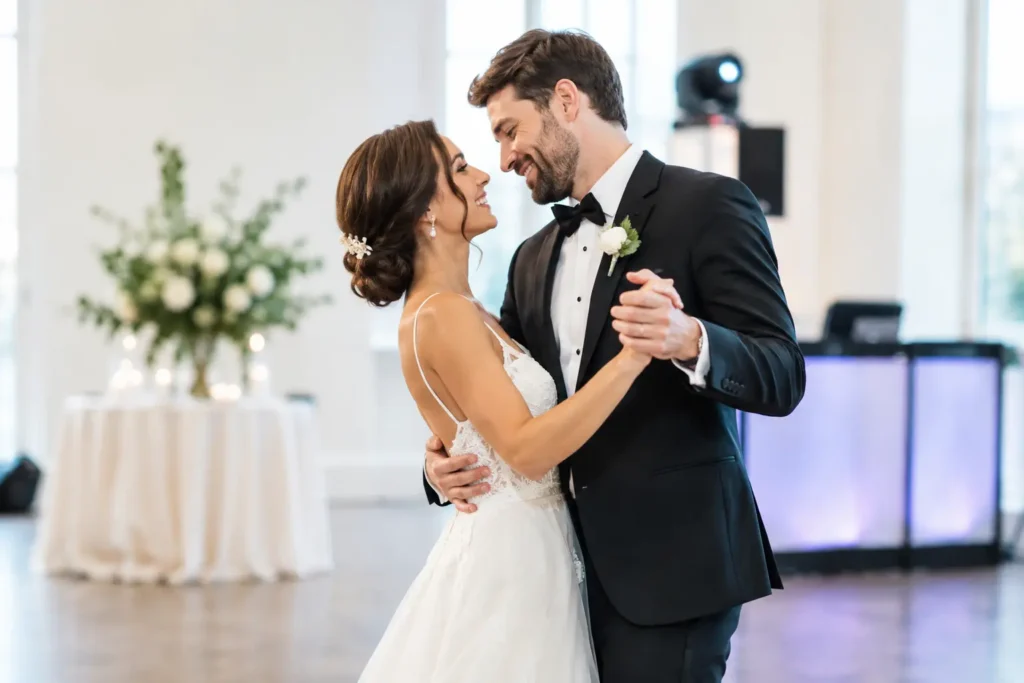
Your first dance lasts only a few minutes, but the feeling of being at ease with your partner can carry through the entire wedding day. That is why wedding dance reviews can be more useful than a studio’s highlight reel. They show what happened when real couples arrived nervous, short on time, unsure of their song choice, or convinced they had two left feet.
The most helpful reviews do more than say a lesson was fun. They reveal whether the instructor made the process comfortable, whether the plan fit the couple’s timeline, and whether the final dance felt like them. If you are comparing options for first dance lessons, read with your own priorities in mind. A dramatic routine is wonderful for some couples. For others, a relaxed, connected dance that looks natural in photos is the real goal.
What Wedding Dance Reviews Can Tell You
A thoughtful review gives you a window into the teaching experience, not just the finished performance. Look for details about how the instructor worked with different comfort levels. In many couples, one person is eager to learn and the other is simply hoping to avoid embarrassment. Strong instruction meets both people where they are, without turning the process into another wedding-planning stressor.
Pay attention when reviewers mention feeling welcomed, encouraged, or surprised by what they could do. Those comments often point to an instructor who can break movements into manageable steps and adjust the pace as needed. Good wedding dance lessons are not about rushing through a preset routine. They are about helping two people move together with confidence.
Reviews can also reveal how practical a studio is. Couples may mention scheduling flexibility, help selecting music, clear communication, or a routine adapted for a long dress, a small dance floor, or a crowded reception. These details matter because a dance that works beautifully in a spacious studio may need a few smart adjustments for a banquet room.
Look for a story, not just a star rating
Five stars are encouraging, but the words behind them are where the real value lives. A short review that says, “Great experience!” is positive, yet it may not tell you whether the program suits your needs. A review describing a shy groom who became comfortable leading, a couple who learned in six lessons, or an instructor who simplified a difficult song offers much more useful information.
Specificity is a sign that the experience made an impression. It does not mean every couple needs the same number of lessons or the same style. It means the studio took the time to create a clear path from first lesson to wedding day.
How to Read Wedding Dance Reviews With Your Goals in Mind
Before you start comparing reviews, decide what success looks like for you. Do you want to sway smoothly and avoid the classic side-to-side shuffle? Are you imagining a choreographed routine with a few memorable moments? Would you like to feel comfortable dancing at your reception after the first dance is over? Each goal calls for a slightly different approach.
If you are beginners, look for comments about patience, simple explanations, and a low-pressure atmosphere. The right teacher should make it clear that no experience is required. You do not need to arrive with rhythm, a routine, or even a final song. You only need a willingness to start.
If you have a specific vision, search for reviews that mention customization. Perhaps your song changes tempo, your wedding party wants to join halfway through, or you want a subtle dip that photographs well without feeling risky. A personalized program can build those ideas in while keeping the dance comfortable and repeatable.
Couples planning a more ambitious performance should look for comments about choreography, technique, and rehearsal support. There is a trade-off: a bigger routine usually requires more time and practice. That does not make it a bad choice. It simply means your timeline and enthusiasm should match the plan.
Notice how the studio handles nerves
Wedding nerves are real, even for people who are confident in other parts of life. The best reviews often mention a change in how someone felt, not only what steps they learned. Maybe a partner arrived reluctant and left laughing. Maybe the couple stopped worrying about being watched. Maybe they finally found a reason to take a break from seating charts and vendor emails and enjoy time together.
That emotional shift is part of the value of a first dance program. The lesson should feel like a shared experience, not a performance test. Certified instructors can offer structure and honest guidance while still keeping the room upbeat, welcoming, and fun.
Green Flags in First Dance Lesson Feedback
When several reviews mention the same strengths, take notice. Consistency matters more than one extraordinary story. You want confidence that your experience will receive the same care, whether you book early in the planning process or arrive with a shorter runway before the big day.
Useful feedback often points to four qualities:
- An instructor who listens to both partners and teaches at a comfortable pace.
- A routine shaped around the couple’s song, personality, clothing, and venue.
- Clear progress from lesson to lesson, so practice at home feels doable.
- A supportive atmosphere where beginners can ask questions and make mistakes without feeling self-conscious.
Another good sign is when couples mention using what they learned beyond the first dance. A wedding lesson can introduce basic partner skills that make social dancing more enjoyable at receptions, parties, and date nights. You may begin with one song and leave with a new way to connect.
At Arthur Murray Ottawa Dance Studio, wedding dance instruction is designed around that personal starting point. Some couples want a polished routine with a wow moment. Others want to hold each other comfortably, move with the music, and feel fully present. Both are meaningful goals, and both deserve professional guidance.
Questions Reviews Cannot Answer for You
Even excellent reviews cannot choose your dance for you. They cannot tell you how often you can practice, whether your partner prefers structure or spontaneity, or how you want to feel when the music begins. Use the reviews to narrow your choices, then let a consultation answer the personal questions.
Ask how the instructor would approach your song and timeline. Be honest if one of you is nervous, if you will be wearing heels, or if the reception space may be tight. Mention any special ideas, such as including a parent, transitioning into a party dance, or adding a simple lift. A skilled teacher can tell you what is realistic and offer options that suit your comfort level.
Timing matters, but starting early is not the same as committing to a complicated routine. More time gives you room to learn at an easy pace, refine the details, and enjoy the process. If your wedding is sooner, a focused plan can still make a meaningful difference. Simple steps, practiced well, almost always look better than difficult choreography learned in a rush.
Turn Research Into a First Dance You Will Remember
Reading reviews is a smart first step, but the right fit becomes clear when you are on the floor together. A first lesson lets you see how an instructor explains movement, how your partner responds, and whether the experience feels encouraging from the start.
Bring your song if you have it. Bring your questions if you do not. Most of all, bring the version of your wedding day you want to remember: the two of you smiling, connected, and ready when the music starts. A wedding dance consultation can turn that picture into a plan that feels comfortably your own.