

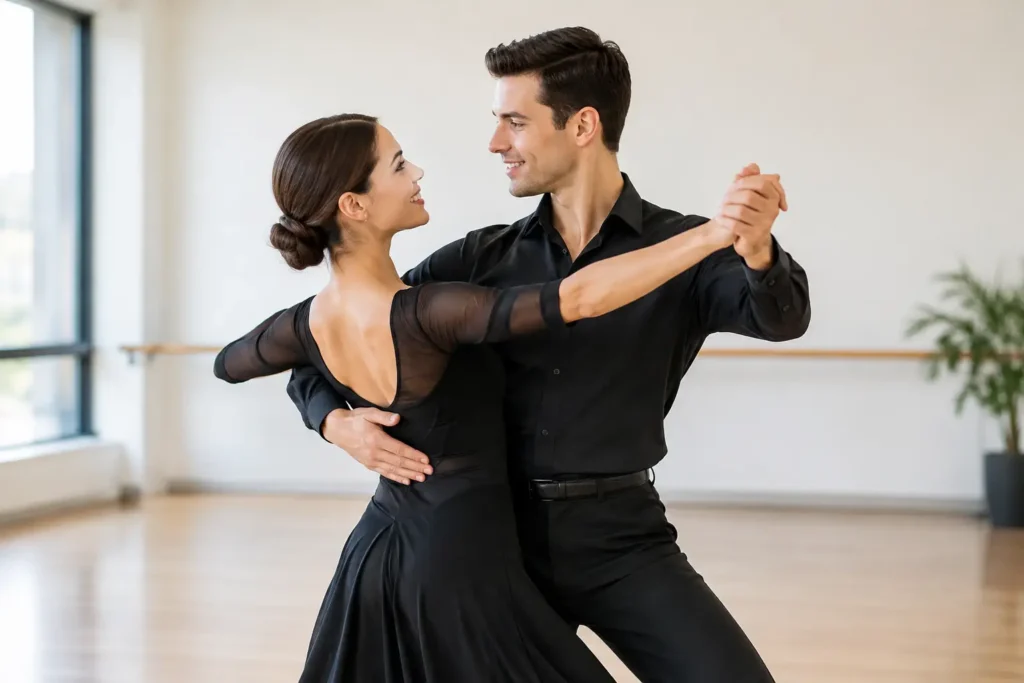
The first time you step onto a dance floor, the music can feel faster than it is and your feet can suddenly seem like they belong to someone else. That feeling is normal. Learning how to learn ballroom dancing is not about arriving with natural rhythm, a partner, or fancy shoes. It is about getting clear instruction, practicing a few useful patterns, and giving yourself permission to be new at something fun.
Ballroom dancing gives adults a skill they can use for years: at weddings, parties, cruises, community events, and evenings out. It can also be a meaningful shared hobby, a confidence builder, and a lively way to stay active. Whether your goal is a polished first dance or simply feeling comfortable when a band starts playing, the best path begins with small, enjoyable steps.
Start With a Goal You Can Picture
“Learn ballroom dancing” can mean very different things from one person to the next. One person wants to stop sitting out at social events. Another wants to surprise a spouse with a date-night activity. An engaged couple may want a first dance that feels natural rather than rehearsed. A more experienced dancer may be ready to refine technique or prepare for a competition.
Choose a goal that makes you want to show up. You do not need to select one dance style forever. You only need a starting point. If you want something elegant and versatile, try a slow dance such as foxtrot or waltz. If you want energy and upbeat music, swing, salsa, cha-cha, or rumba may be a better fit. For country music fans, country western styles offer another welcoming entry point.
A good instructor can help connect your goal to the dances you are most likely to use. That matters because the quickest progress comes from learning material that feels relevant to your life.
Take a First Lesson Before You Buy Everything
Many beginners delay their first lesson because they think they need dancewear, special footwear, or several weeks of online preparation. You do not. Wear clothes that let you move comfortably and shoes that stay secure on your feet. Avoid very sticky rubber soles if possible, since they can make turning more difficult.
Most importantly, begin with instruction designed for beginners. A certified teacher does more than demonstrate steps. They show you where to place your weight, how to hear the beat, how to connect with a partner, and how to make a simple pattern feel comfortable. Those details are hard to diagnose on your own.
At Arthur Murray Ottawa Dance Studio, lessons are taught step by step and adapted to each student’s pace. You can come on your own or with a partner. No partner is needed, and no one expects you to know the steps before you walk in.
Why private instruction helps early on
Group classes can be energizing and social, but a private lesson is often the fastest way to get past the awkward beginning. Your instructor can tailor the lesson around your experience, movement preferences, schedule, and goals. If turns feel confusing, you can slow them down. If you are preparing for a wedding, you can focus on the music and moments that matter to you.
The best learning plan often combines both. Private lessons build personal technique and confidence; group classes help you practice with other people and experience different partners; studio parties give you a relaxed place to use what you have learned. The right balance depends on your goal, budget, and how quickly you want to progress.
Learn the Foundations Before Chasing Fancy Moves
Beginners often watch experienced dancers and notice the spins, dips, and dramatic lines. Those moves can be exciting, but they are built on quieter skills. Your early progress depends on posture, timing, foot placement, balance, and partnership.
First, learn to recognize the beat. You do not need perfect musical training. Start by listening for the steady pulse in a song and stepping in time with it. Then work on transferring your weight fully from one foot to the other. This sounds simple, yet it is the difference between a movement that feels secure and one that feels like a shuffle.
Next, pay attention to connection. Partner dancing is a conversation, not a test of who can memorize the most patterns. Leaders learn to give clear, comfortable information through the frame and direction of movement. Followers learn to stay present, respond to that information, and maintain their own balance. Both roles require awareness, patience, and respect.
Do not rush past these basics. A small pattern danced smoothly to music is more enjoyable, and often more impressive, than a complicated routine danced with uncertainty.
Practice in Short, Specific Sessions
You do not need to practice for an hour every night to improve. Ten focused minutes a few times each week can make a real difference. The key is to practice one thing at a time.
After a lesson, choose one pattern or skill to review. Perhaps it is your basic timing in rumba, a left turn in waltz, or simply beginning and ending a dance with confidence. Practice slowly first. Count aloud if it helps. Then try it with music at a comfortable tempo.
If you are learning with a spouse, friend, or fiancé, resist the temptation to correct each other at home. It is easy for practice to become frustrating when one person starts teaching the other. Instead, repeat what your instructor showed you, celebrate what works, and save technical questions for your next lesson. Dance should bring people together, not turn date night into a debate about footwork.
Make Peace With Feeling Awkward
Nearly every confident social dancer remembers feeling self-conscious at first. The difference is not that they avoided mistakes. They kept dancing through them.
A missed step is rarely as visible as it feels. At a social dance, most people are focused on their own timing, their partner, and having a good evening. If you lose your place, return to a basic step, smile, and keep moving. This is a valuable skill, not a failure.
Confidence grows through repetition and positive experiences. That is why a supportive studio environment matters. You should feel encouraged to ask questions, try again, and learn without embarrassment. The goal is progress, not perfection on day one.
How to Learn Ballroom Dancing as a Couple or Single
Couples sometimes assume they will learn faster because they have a familiar partner. That can be true, especially when both people practice regularly. But couples may also bring different learning speeds, comfort levels, or expectations. The solution is to focus on shared enjoyment rather than keeping score. One partner may understand a pattern first, while the other develops musical confidence sooner. Both are valuable.
Singles have an equally strong path into ballroom dancing. Learning with professional instructors and participating in group classes gives you opportunities to build skills without needing to recruit a friend for every lesson. It also helps you become adaptable, since dancing with different partners improves your ability to communicate through movement.
In either case, start with a beginner program that makes the next step clear. A structured approach removes the pressure of wondering what to learn next and lets you enjoy measurable progress.
Use Social Dancing as Your Real-World Practice
Lessons teach the building blocks. Social dancing teaches you how to use them when the music changes, the floor gets busy, and you are no longer following a memorized sequence.
Your first few social dances may feel challenging. That is exactly why they are useful. Start with familiar dances and simple patterns. Ask someone to dance, keep it short if you wish, and focus on staying on time. As you become more comfortable, you can try a new partner, a new style, or a slightly more advanced figure.
Studio dance parties are especially helpful because they offer a friendly setting where beginners and experienced students can share the floor. They turn practice into an event you can look forward to, not another item on your to-do list.
Give Yourself Time to Grow
Ballroom dancing rewards consistency. You may feel a breakthrough after one lesson, then have a week when everything feels less certain. That is part of learning a physical skill. Your body is building coordination, musical awareness, and new habits at the same time.
Set a realistic rhythm for lessons and practice, then stay with it. Celebrate practical wins: dancing through an entire song, recognizing the beat sooner, leading a turn comfortably, or accepting an invitation to dance without hesitation. Those moments add up.
Start with one lesson, one dance, and one song you enjoy. Before long, the dance floor can become one of the places where you feel most at home.